Supermarket POS System
A supermarket holds multiple industries within one space. BrandPOS SoftPOS for supermarkets handles complex inventory, multi-terminal sync, and aisle checkouts seamlessly.
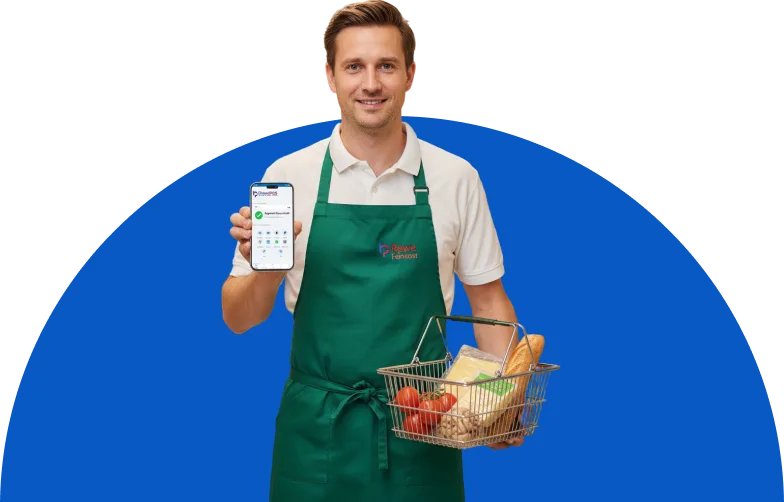
A supermarket stands out and is literally named a 'super'market because it might look like a single store, but it holds, rather amalgamates, multiple industries within one space. You name it, they have it. Starting from fresh produce, different types of packaged or frozen foods, the dairy aisle, personal care items, hygiene, household goods, bed sheets, cleaning products, hammers, ropes, dishes, cups, napkins.
Why Supermarkets Need a Dedicated POS System
Everything is available in a supermarket, if not more. This place is combining entire sectors in chunks and putting it in operational flows. It for sure needs a dedicated Supermarket POS System to handle the complexity it goes through every day.
Without Supermarket POS System, complexities can arise, including -
- Constant stocking/over-stocking/or forgetting to place a bulk order for inventory replenishment.
- Slower checkouts, longer queues.
- Updating prices of items belonging to volatile markets.
- Constant understanding of the purchase trends of an ongoing sale.
- Checking, and returning/replacing/refunding if there are any damaged goods sold.
Supermarkets face a lot of peak hours, so a dedicated supermarket POS system makes sure that you don't have to stand in a long queue, just to check out.
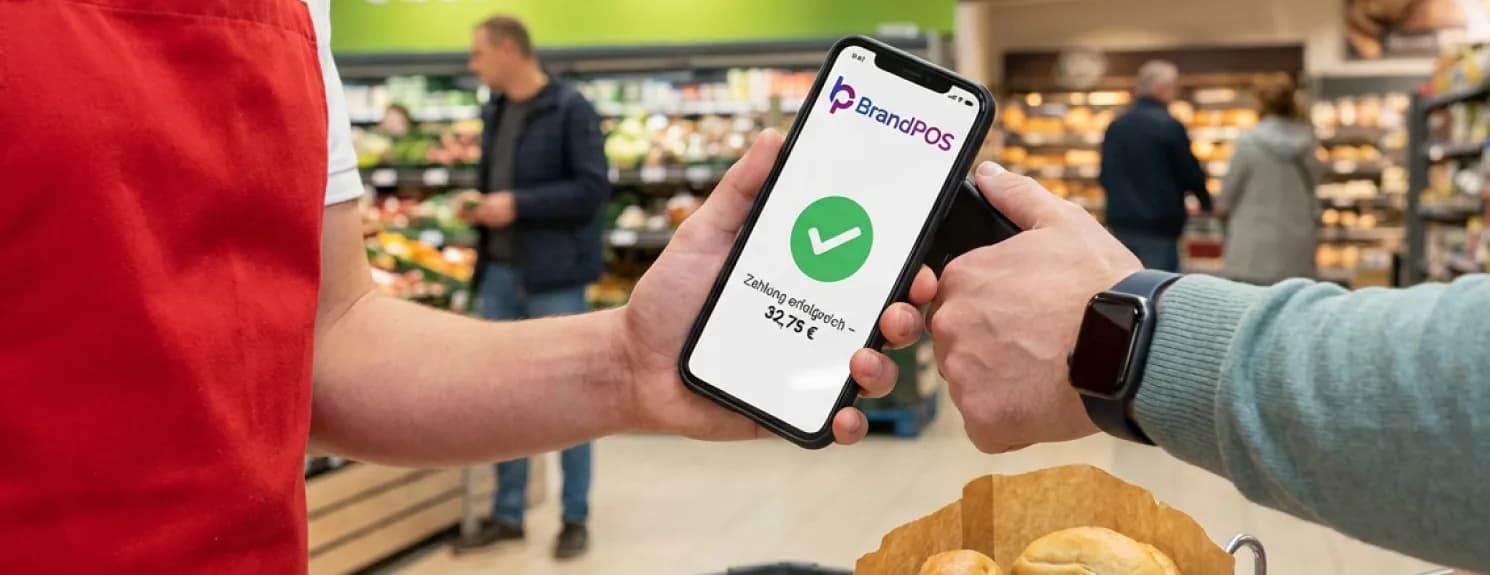
With Supermarket POS systems, there are options to check out even in the aisle. This option is often preferred by majority of supermarkets where they keep the POS terminal on the go with their staffs who are posted across aisles.
So if someone has done shopping and is currently standing in an aisle which is far away from the checkout counter, the staff can facilitate a checkout then and there in the aisle. This is a very important step to minimize abandoned cart issue.
Supermarket POS: Key Features to Look For
A good supermarket POS software will be as all-inclusive as the supermarket itself. Therefore, a good system must include —
- Speedy scanning of barcodes
- The transaction turnover time should be less than 5-10 seconds.
- Real-time synchronization of stock to maintain accuracy and upkeep the inventory management.
- It should also have a multi-terminal synchronization system with a cloud-based storage.
- Multiple billing counters of the same store or even of different branches of the same store can be handled, analyzed, monitored all in a centralized format in the dashboard.
- It should also support different kind of payment modes such as the integrated QRs, digital wallets, cards, etc.
5 Best POS Systems for Supermarkets
Choosing the Best SoftPOS System For Supermarket depends on scale, budget, and operational needs.
| POS System | Key Capability | Suitable For |
|---|---|---|
| BrandPOS | SoftPOS, mobile-based system | Flexible setup |
| Lightspeed | Advanced inventory and analytics | Medium stores |
| Shopify POS | Online + offline integration | Hybrid retail |
| Nextar POS | Retail-focused workflow | Growing supermarkets |
| Square POS | Easy setup, payment integration | Small supermarkets |
Each Supermarket SoftPOS Software offers a different level of operational control, however, BrandPOS SoftPOS has proved to handle every business scale with equal seamlessness.
Best Supermarket POS Software for Different Business Needs
Different stores require different types of Best Supermarket SoftPOS Software.
Small grocery stores may prefer simple billing with barcode support. Medium supermarkets need inventory tracking and multi-terminal billing. Large supermarkets often require cloud-based systems with centralized dashboards and advanced analytics.
A mobile-based Supermarket SoftPOS System, such as SoftPOS, fits businesses that want flexibility without investing in hardware.
Supermarket POS System vs Traditional Cash Register
The difference becomes clear when operations scale. A traditional cash register only records transactions. A Supermarket POS System manages the entire workflow.
| Feature | POS System | Cash Register |
|---|---|---|
| Billing | Automated | Manual |
| Inventory | Real-time | Not available |
| Reports | Detailed | Basic |
| Payment Types | Multiple | Limited |
| Scalability | High | Low |
A Supermarket Cashier System built on POS technology is best. It has negligible amount of error-making. It is very speedy and smart (almost has a sense of it’s own).
Supermarket POS for Small, Medium, and Large Stores
Small, medium, and large supermarket stores usually have individually different needs in terms of POS systems and terminals. Therefore, they need different Supermarket of POS systems.
Small stores need only a single payment terminal and a scalable basic inventory system. Medium stores need multiple billing terminals that are connected to one system, and they have an ever-expanding inventory. Large supermarkets require a cloud-based centralized control system where intricate reporting is done, analysis and monitoring becomes crucial. In it, real-time reporting and cross-location integration is a necessity because the inventory is too big to be manually tracked.
A scalable Supermarket SoftPOS Software allows businesses to expand without replacing the system.
In a business landscape, when a merchant has a promising business that does not know the limits to stop and keeps scaling in a multi-dynamic way, the business should not be curtailed down to fit the systems and affordability. Rather, one should employ SoftPOS from brands like BrandPOS, which works equally and efficiently for every scale of supermarket stores to give the best possible business results.
Cloud-Based vs Offline Supermarket POS Software
A Supermarket SoftPOS Software can be cloud-based or offline. Cloud systems store data online and allow access from anywhere. They support real-time updates and remote monitoring. Offline systems store data locally and work without internet but have limited accessibility.
| Factor | Cloud POS | Offline POS |
|---|---|---|
| Data Access | Remote | Local |
| Scalability | High | Limited |
| Backup | Automatic | Manual |
| Internet | Required | Not required |
Many modern Supermarket SoftPOS Systems combine both modes as they don’t want to let go the older ways of operations that they are so accustomed with.
Supermarket POS System Cost Breakdown
The Supermarket SoftPOS Machine Price is determined by the type of setup one is going towards. A Supermarket POS system consists of the factors like a billing terminal, hardwares like barcode scanners, printers to print receipts, a cash register to put the denominated cash in in a decentralized way.
| Component | Approx Cost (INR) |
|---|---|
| Software | ₹5,000 – ₹50,000/year |
| POS Terminal | ₹15,000 – ₹40,000 |
| Scanner | ₹2,000 – ₹10,000 |
| Printer | ₹3,000 – ₹15,000 |
The total Supermarket SoftPOS Machine Price has a multifaceted pricing system which relies upon features needed by the merchant and the scale to which a business can grow. A supermarket POS machine is replacing the traditional ways of working in the high-volume industry like retail.
Benefits of Using a Supermarket POS System
A Supermarket SoftPOS System prove that efficiency and transparency is what builds the base of any business operation. The aim of every business operation, marketing, advertisement, placement, etc., is eventually for the customer to check out and buy something. But when the billing is slow, the whole experience and the build-up gets ruined.
Therefore, with a supermarket POS system, billing is as fast as ever. Every inventory gets updated and synchronized automatically at real-time. All the sales data is analyzed and recorded for further monitoring on the centralized dashboard. The monitoring and analysis are primarily done through an data-based understanding by the system software, of customers, their buying patterns, insights, and upcoming seasonal trends.
Therefore, a supermarket POS system identifies best-selling products beforehand, helps the merchant and the staff manage the stock levels as per the future predicted needs, and thereby reduces any losses due to errors. Manual intervention in monitoring, analysis, tracking and decision-making gets derailed when a huge volume of customers, demands or recession hits. Therefore, a supermarket POS gives businesses the freedom to move away from the manual guesswork and places it in the middle of a structural, operational, and practical front.
Common Challenges and Drawbacks of Supermarket POS Systems
Every good thing has some drawbacks, but the ones of the supermarket POS systems can be tackled in practical terms, and it will be negligible. Initial investment is not much, but there is this understanding and acceptance of a monthly subscription that follows through. These challenges will eventually be temporary as when the business hits the ball and is acing forth, the challenge will not look like a challenge, rather the necessary aid from the merchant side to keep a fantastic system rolling at a quite minimal cost.
How to Choose the Right Supermarket POS Software
Surely there are certain factors to look for when you are choosing the best supermarket POS software and your choice must align with your business needs.
- Always consider your store size
- The volume of inventory
- The demand (seasonal/otherwise)
- The volume of transactions
- The amount of people who come versus who buy
- Most importantly, the budget that you have in your mind to act out business operations with.
Scalability is important. A Supermarket SoftPOS System should support growth without requiring a complete replacement.
BrandPOS: SoftPOS App for your Supermarket
When your supermarket POS system needs an extra edge of a global standard software POS technology, then BrandPOS is your way out. It is compatible with every kind of operating system and works in every kind of device, like mobiles, tablets, PCs. It does not need any other hardware or does not have an initial setup cost or a big investment required. Anybody who is just starting business and is confused with all the technicalities that goes along with the POS needed for a departmental store or a supermarket can easily and safely use BrandPOS’s SoftPOS as a Supermarket POS machine to surf through the understanding of the whole.
Frequently Asked Questions on Supermarket POS System
What is the best POS system for supermarket billing?
The best POS system for supermarket billing includes the features of scanning barcodes, managing inventory, alerting when the inventory is running low, and facilitating a multi-terminal billing system. All of this is possible with BrandPOS's SoftPOS payment terminal.
What is included in supermarket POS software?
A Supermarket SoftPOS Software includes must-have features for business operations like - smooth billing, stock tracking, reporting sales, and payment PSP support.
How much is the supermarket POS machine price?
The Supermarket SoftPOS Machine Price typically ranges between ₹20,000 and ₹80,000 depending on setup. Please refer to the table above to know more.
What is the difference between a supermarket POS and a cashier system?
A Supermarket Cashier System is used only for keeping cash, billing, auditing, and that’s it. But a Supermarket SoftPOS System applies transparency in billing, inventory, and reporting together.
Can supermarket POS software track inventory in real time?
Yes, a Supermarket SoftPOS Software updates stock levels automatically/in real-time after every transaction.
Does a supermarket POS system support barcode scanning?
Yes, barcode scanning is a standard feature in every Supermarket SoftPOS System.
Can a supermarket POS machine work offline?
Yes, a Supermarket SoftPOS Machine or terminal can work but the synchronization across devices will inly happen once the internet is restored.
Conclusion
BrandPOS Supermarket SoftPOS is redefining how supermarkets handle complex inventories and multi-terminal sync. From aisle checkouts to cloud-based analytics, every aspect of the supermarket business becomes smarter, faster, and more profitable. Whether you run a small grocery store or a large retail chain, BrandPOS gives you the tools to succeed without the burden of expensive hardware.