Restaurant owners keep asking the same thing because margins feel tight and daily work comes with a hundred distractions. What is the best POS system for restaurants right now? The technological scene shifts fast. Some tools look powerful yet feel too heavy for small outlets. Others look simple but cannot keep up when the crowds rise.
A good POS helps the kitchen, the floor team, the billing counter, the delivery partners, and the owner. A bad one slows everything. So the question keeps returning again and again. What is the best setup for a modern restaurant?
This guide studies both cloud POS and SoftPOS tools. It pulls ideas from current players, from older market habits, and from fresh systems like BrandPOS that change how small restaurants operate each day.
What Are the Point of Sale Systems for Restaurants?
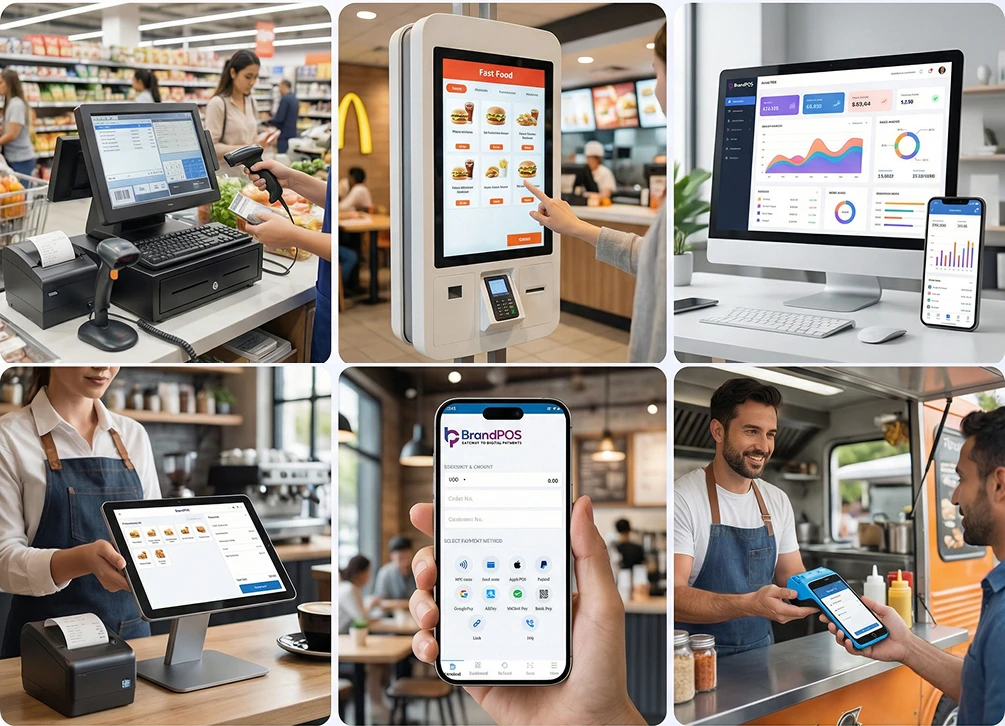
People sometimes imagine the POS as a single billing machine sitting near the counter. Restaurant work is broader. So what is point of sale systems for restaurants actually? It can be several things all in together.
A POS may include:
- An order entry screen
- Digital menus
- Kitchen order tickets
- A payment terminal
- Table management tools
- Billing records
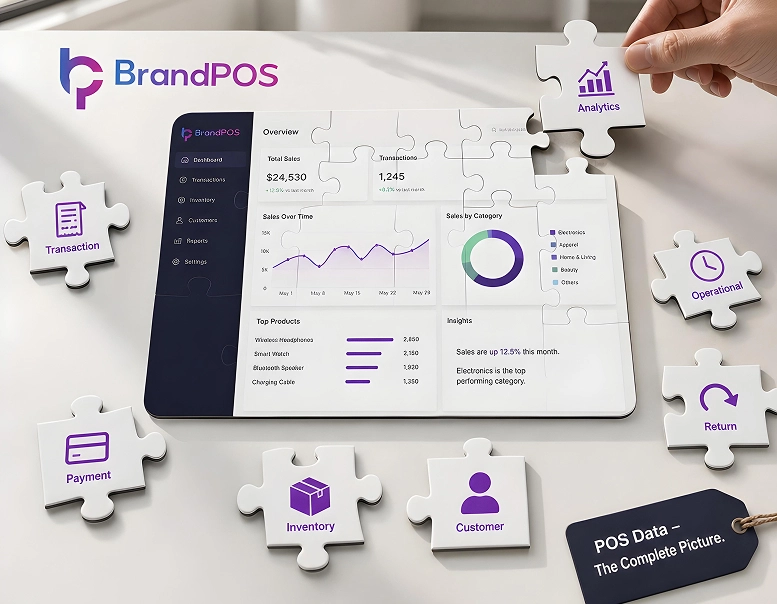
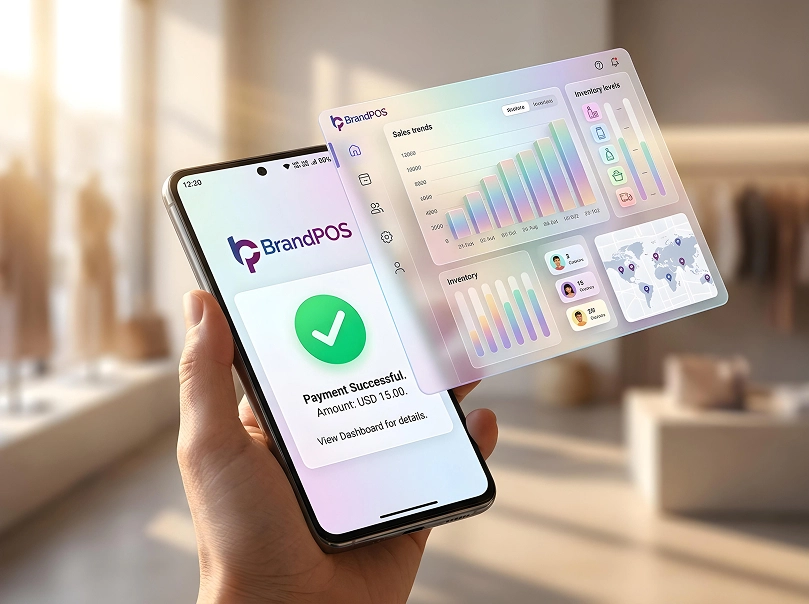
- Reporting tools
- Employee access control
- Inventory modules
- Delivery partner integrations
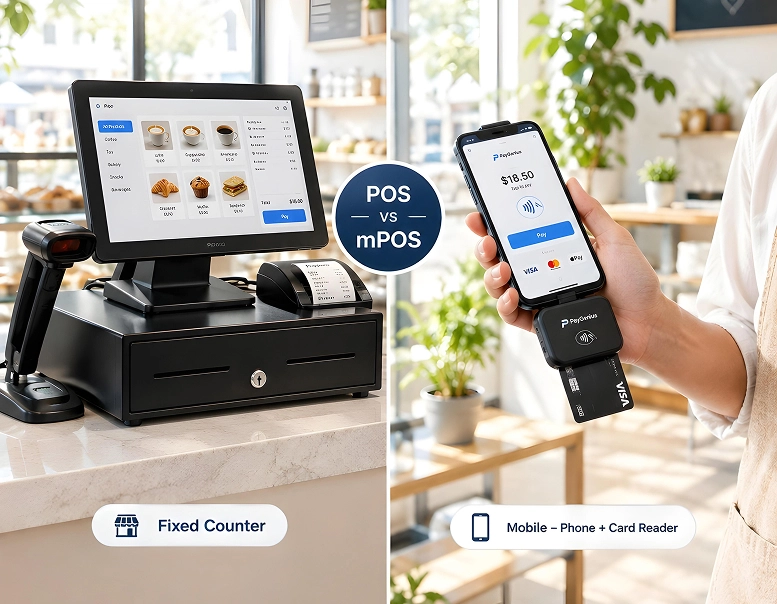
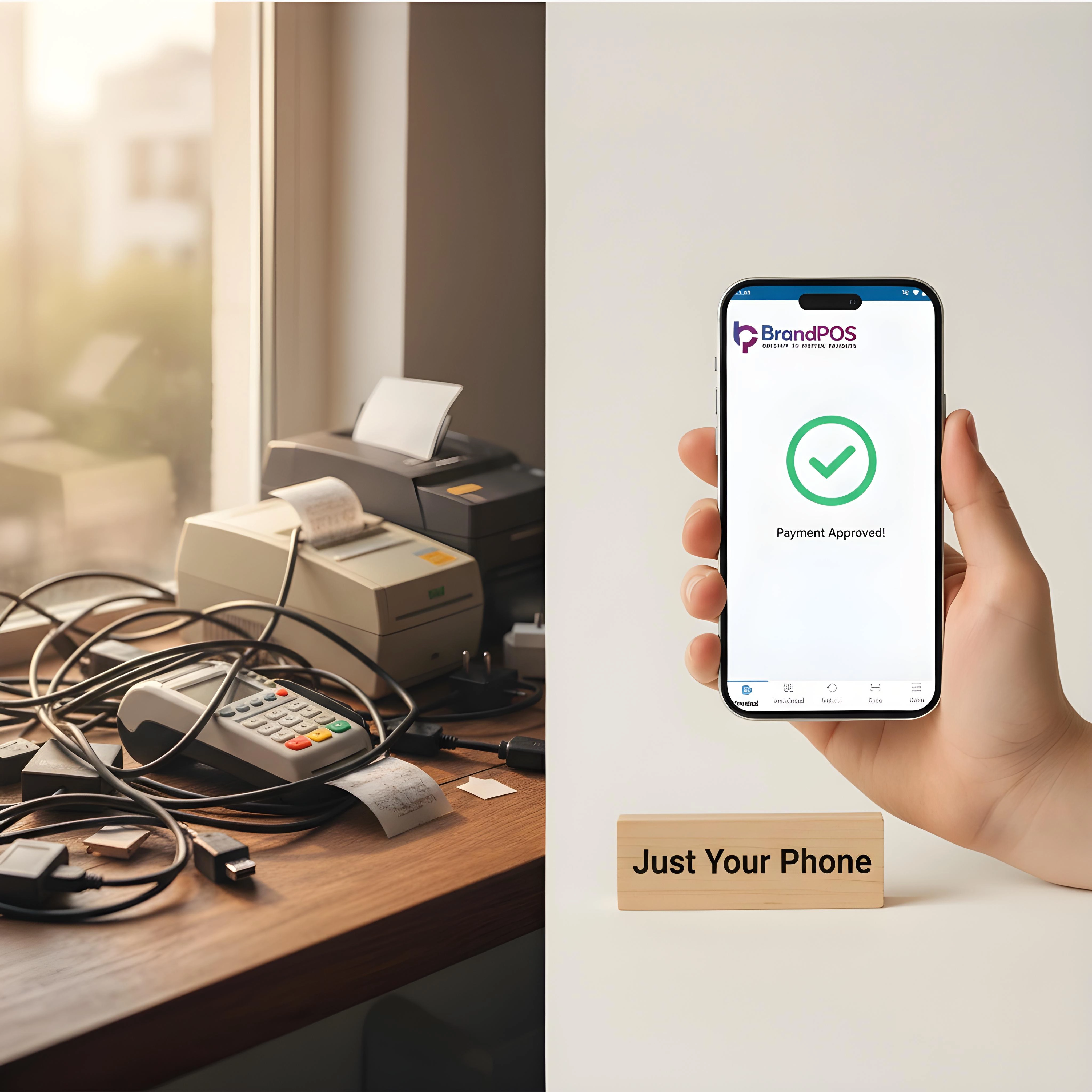
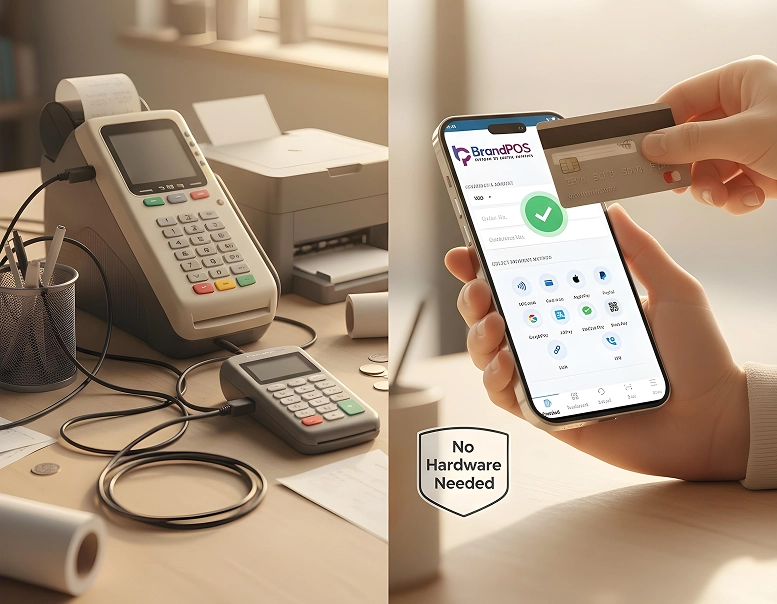
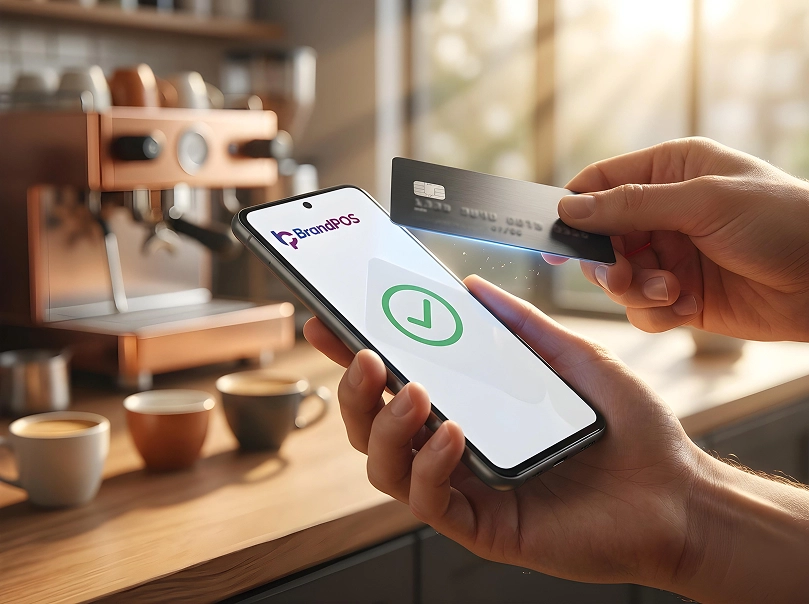
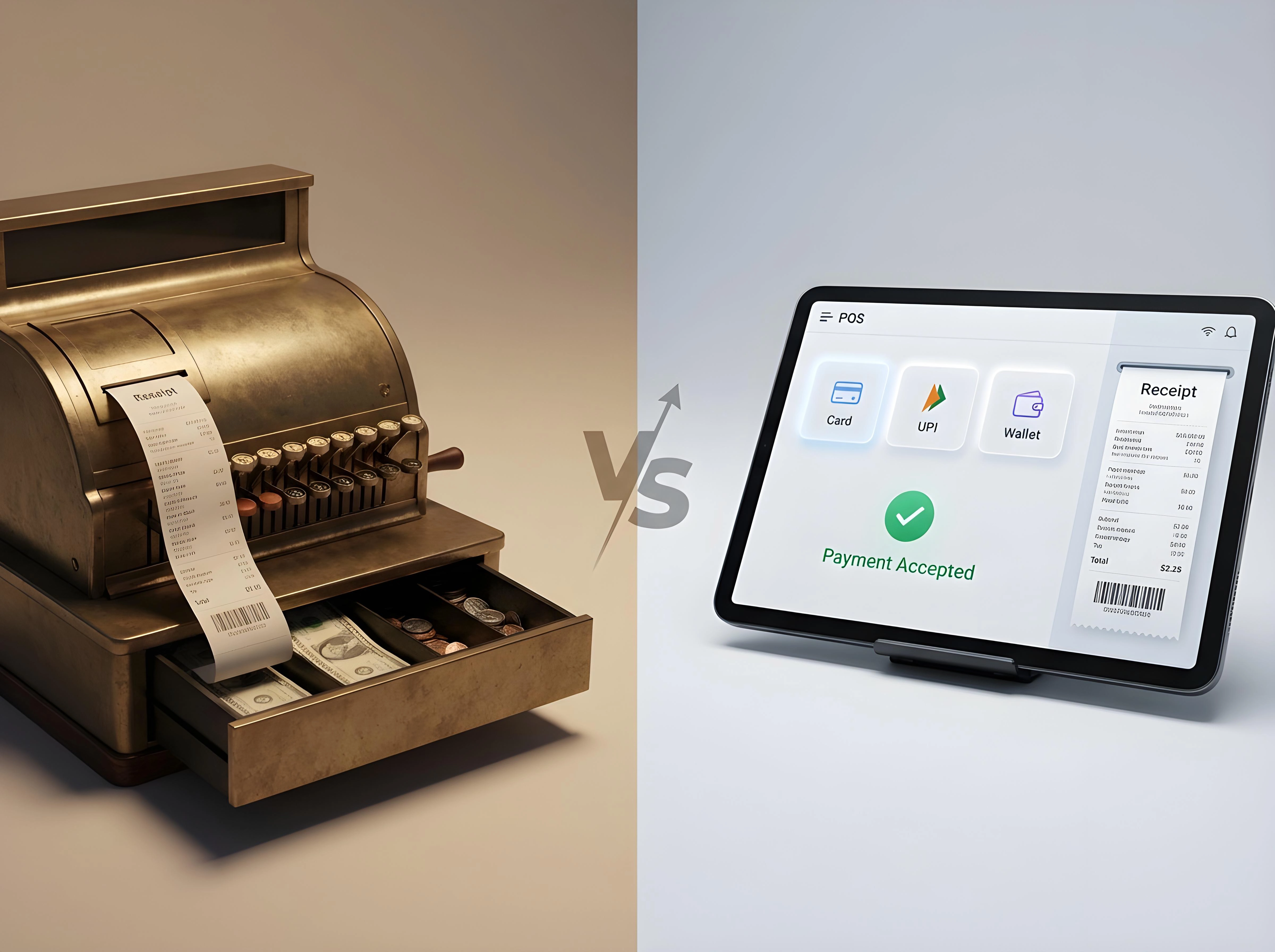
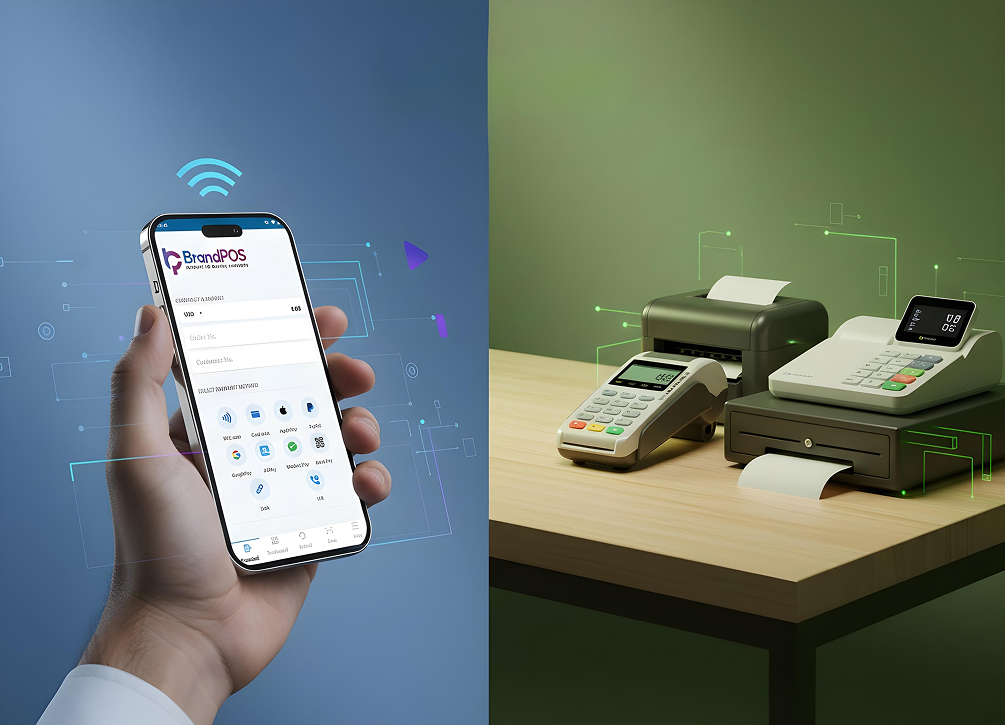
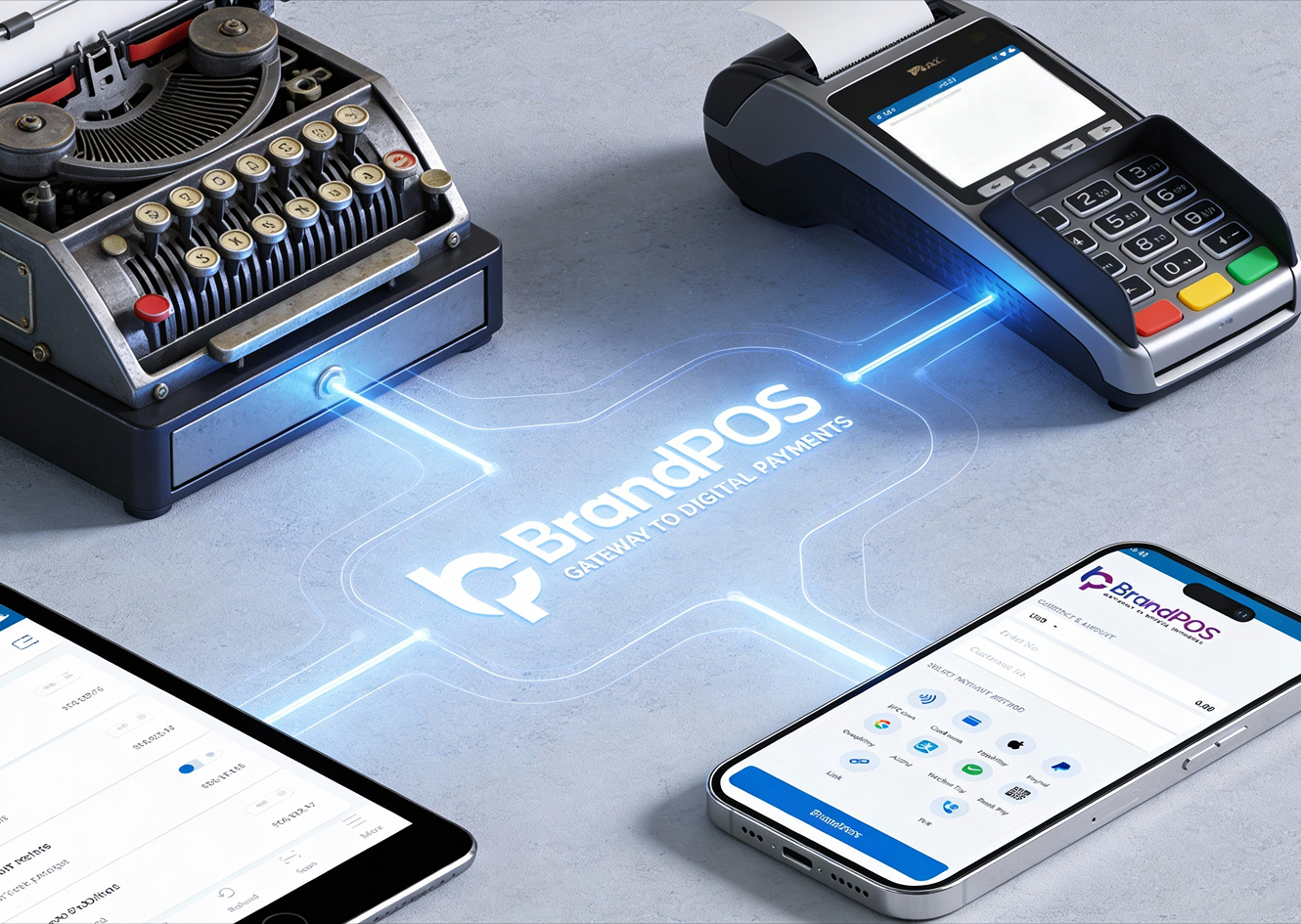
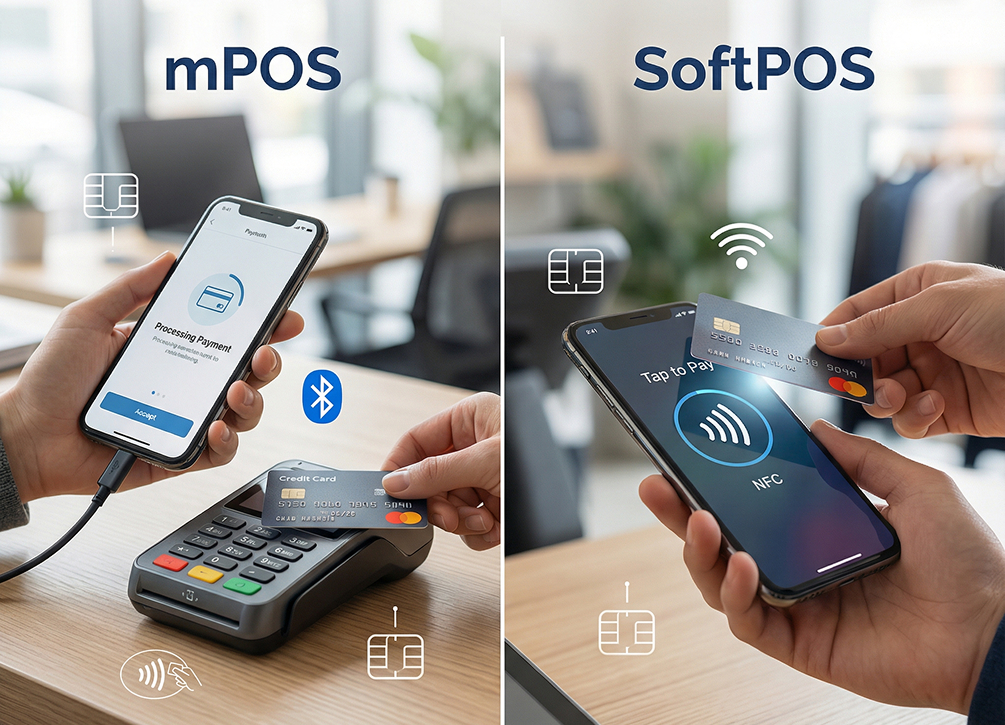
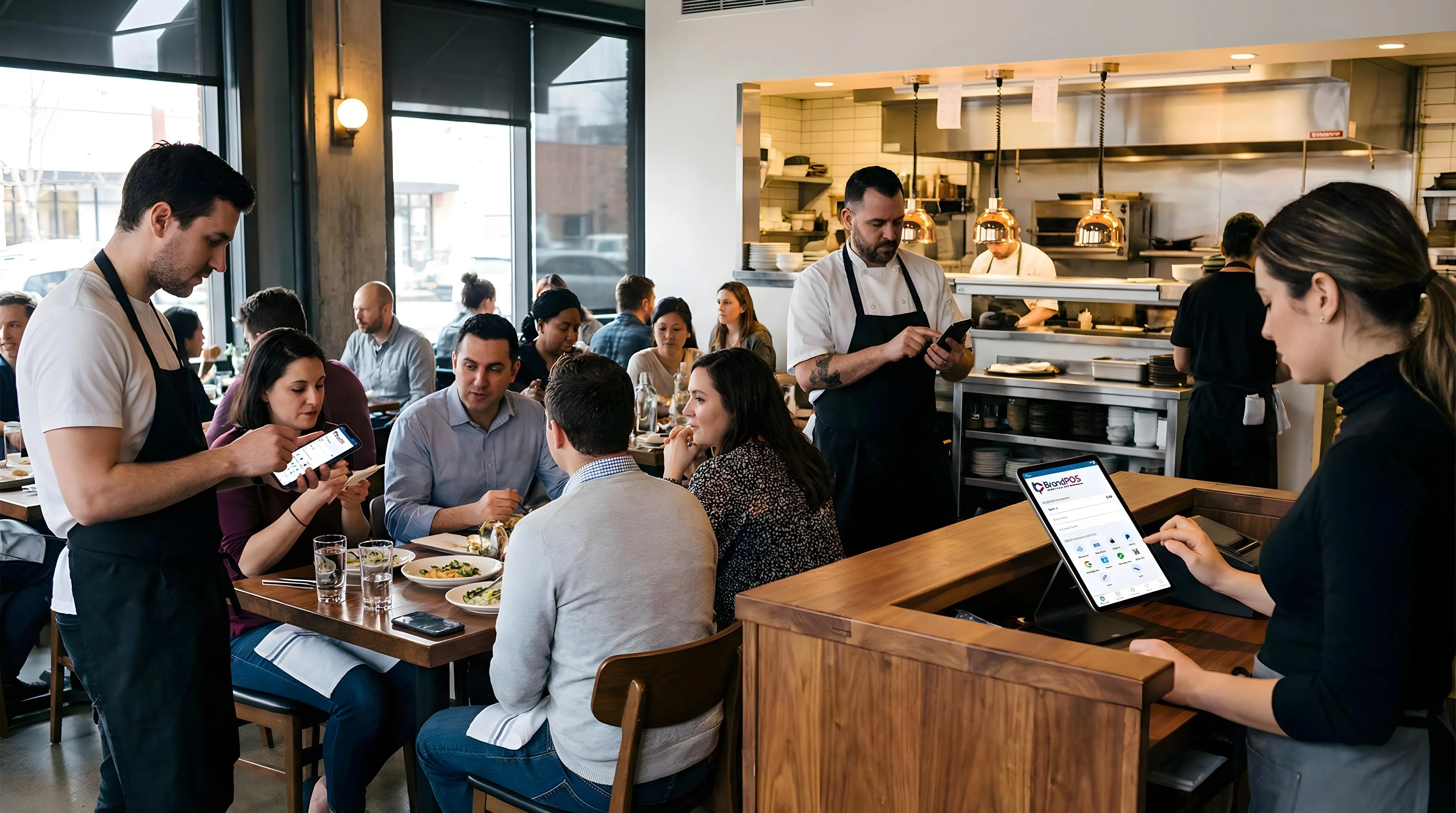
Some restaurants run all of this on large terminals. Others prefer mobile-first setups. Many now experiment with SoftPOS because it removes bulky hardware and keeps the process inside a simple phone.
The bigger idea stays steady. A restaurant POS exists to help teams take accurate orders, send them quickly to the kitchen, settle bills without friction, and stay compliant with tax rules.
Ready to ditch the card machine?
BrandPOS turns any Mobile phone into a certified POS terminal - no cables, no setup headaches.
Get Started for FreeTop 5 Best POS Systems for Restaurants: Which POS Is Best?
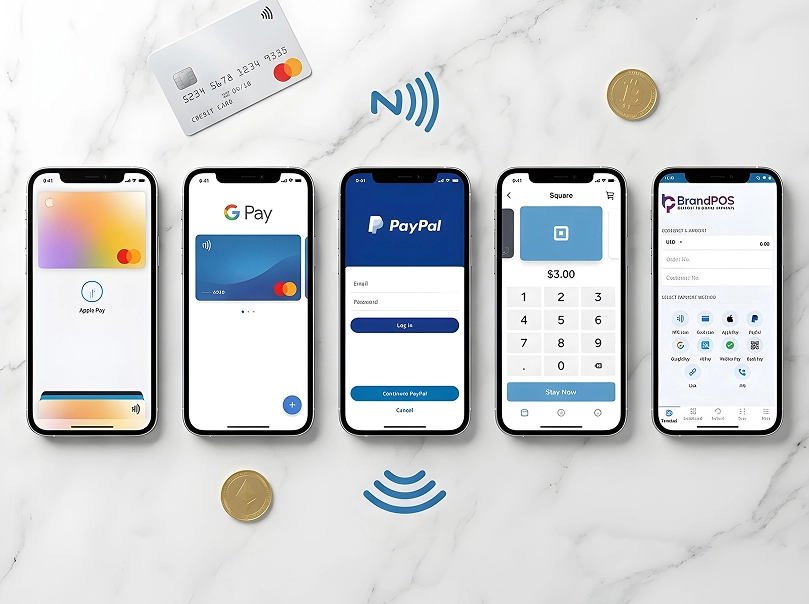
Most people searching for what is the best POS system for restaurants look for a balanced mix. Ease of use. Speed. Price. Flexibility. Compatibility with staff habits. Below are five widely used options, including BrandPOS for SoftPOS-first restaurants.
BrandPOS (SoftPOS + lightweight restaurant workflow)
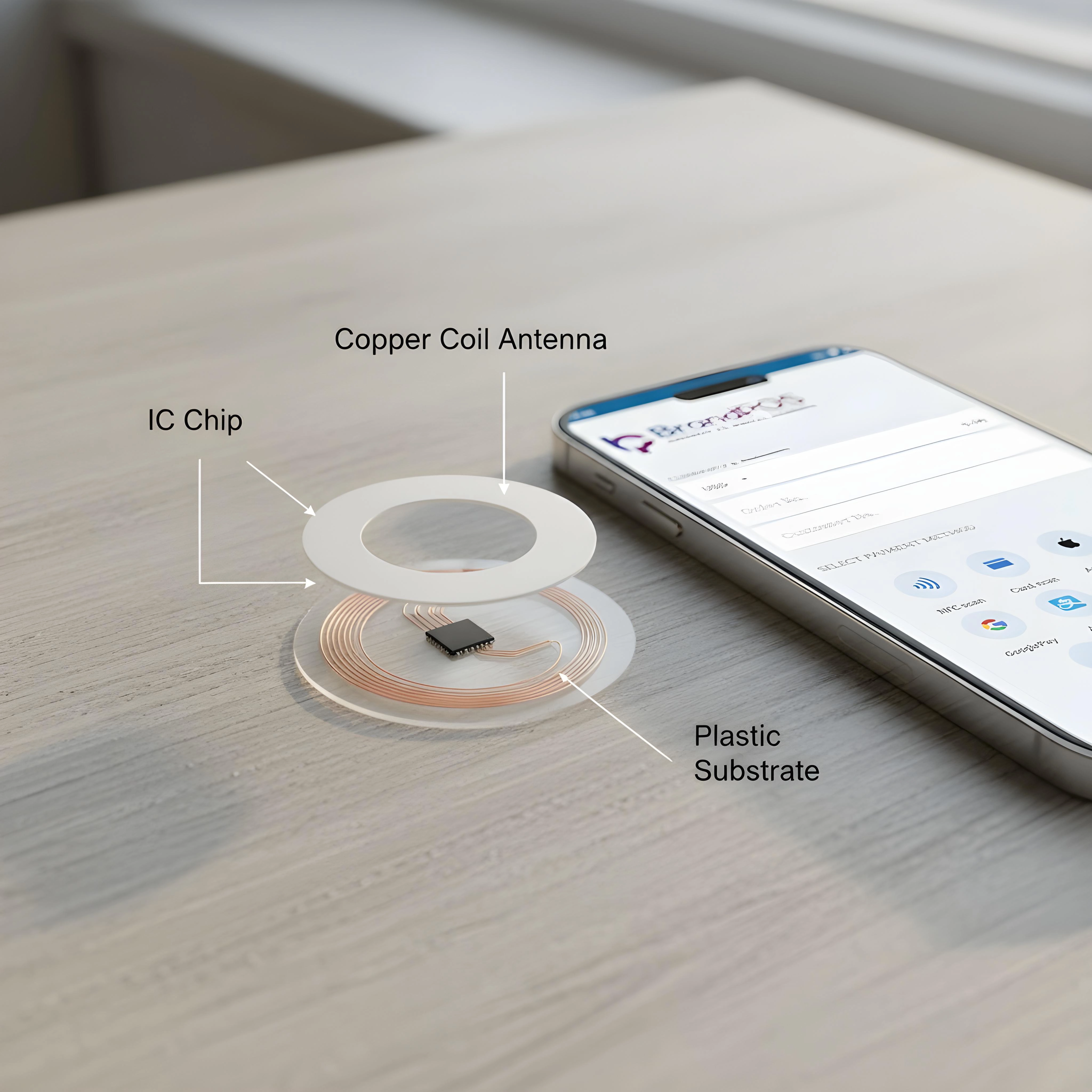
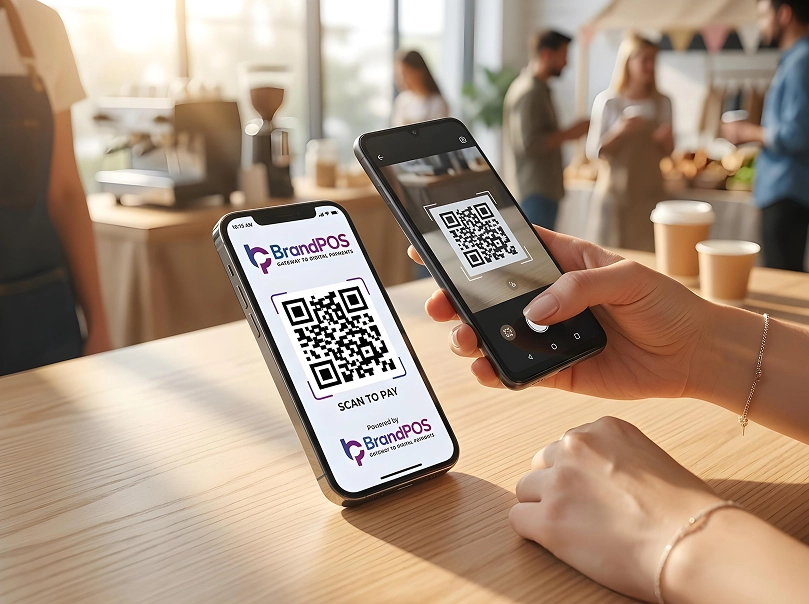
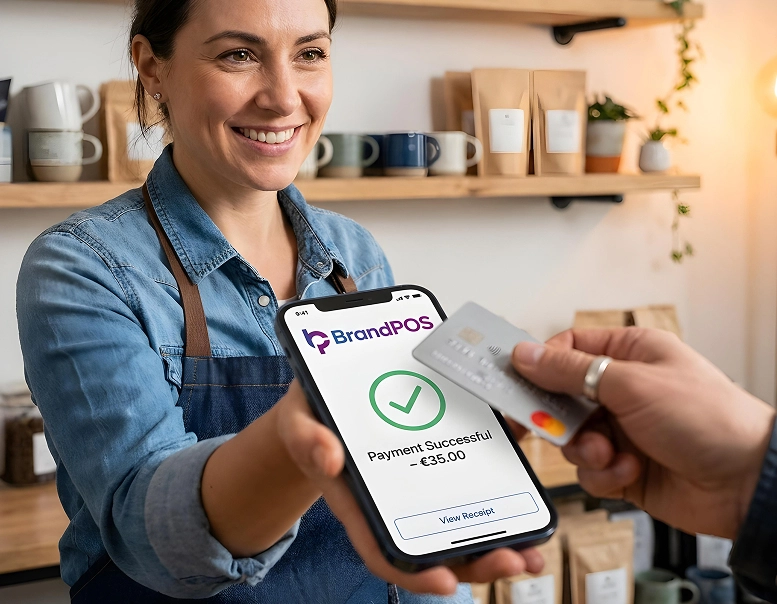
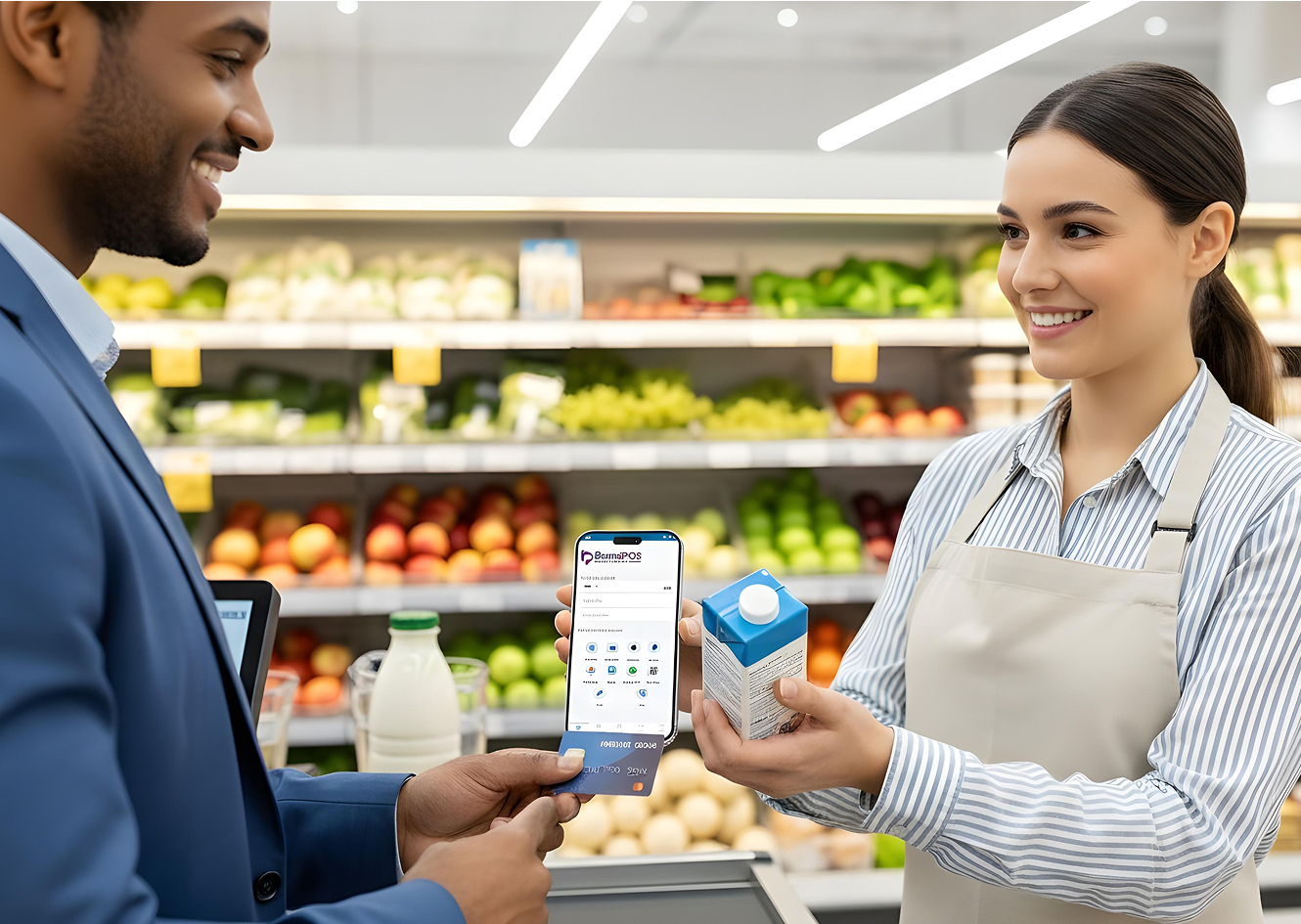
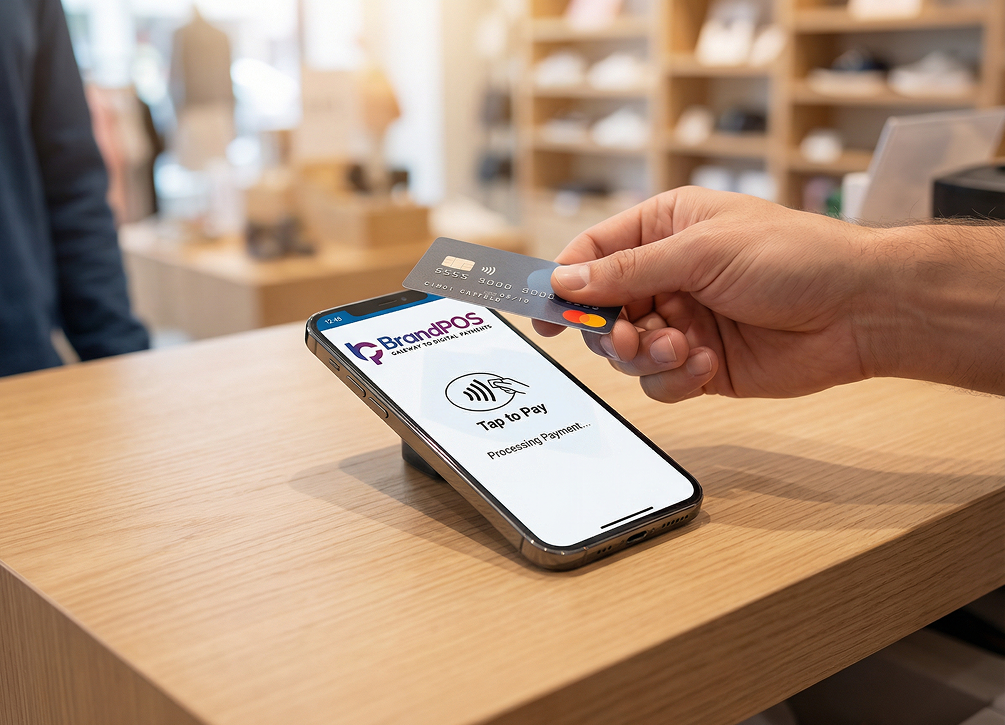
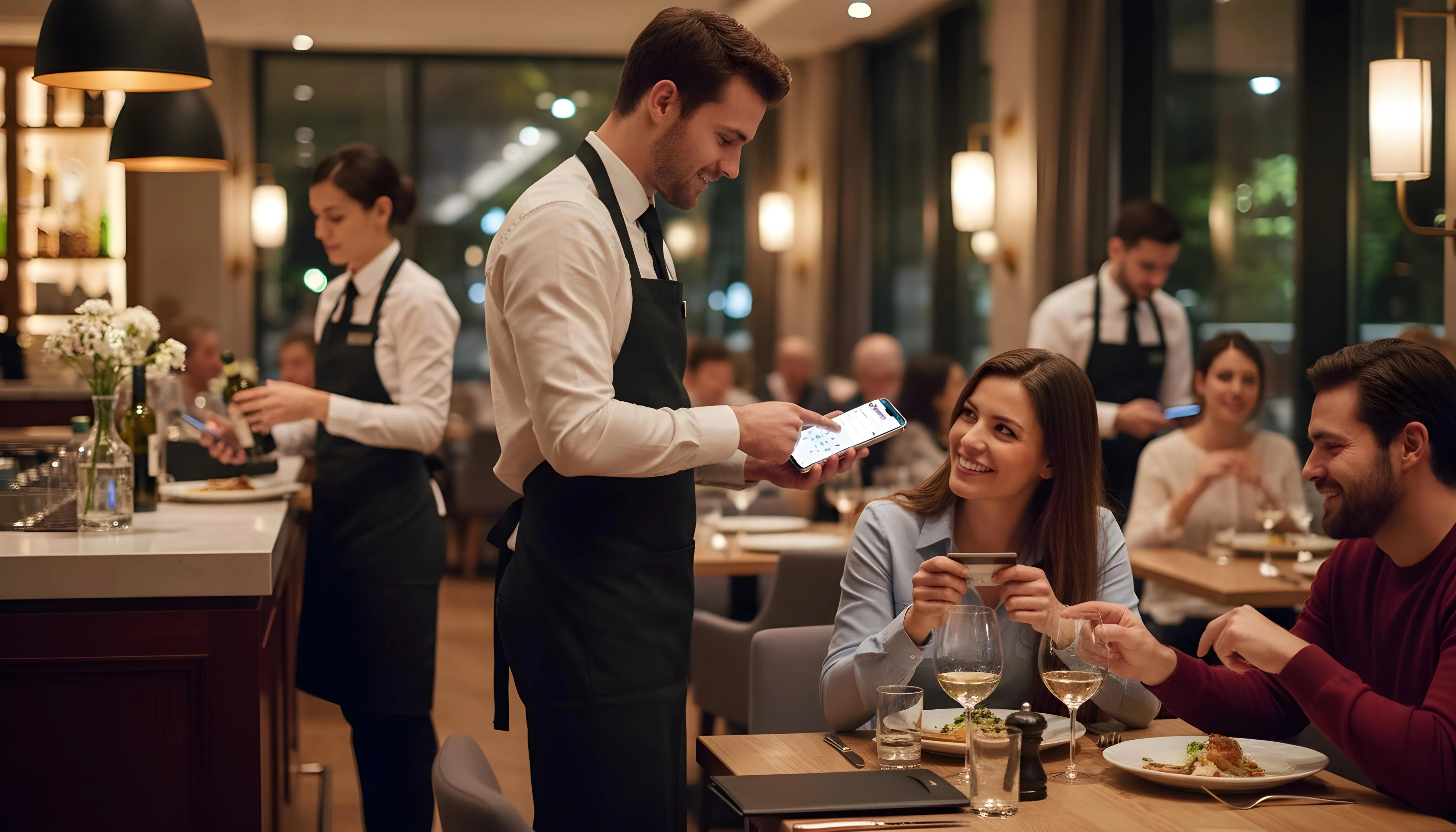
BrandPOS focuses on a simple approach. Many restaurants want a fast billing tool without the clutter of large hardware. The SoftPOS design lets any staff member accept contactless e-payments, QR payments, or digital wallet flows using just a phone. Table service becomes smoother because orders may be settled at the guest's table itself. For small restaurants, this often becomes the most practical answer when they ask what is the best POS system for a small restaurant. Costs stay predictable. Training takes very little time. There is no device rental.
Square for Restaurants
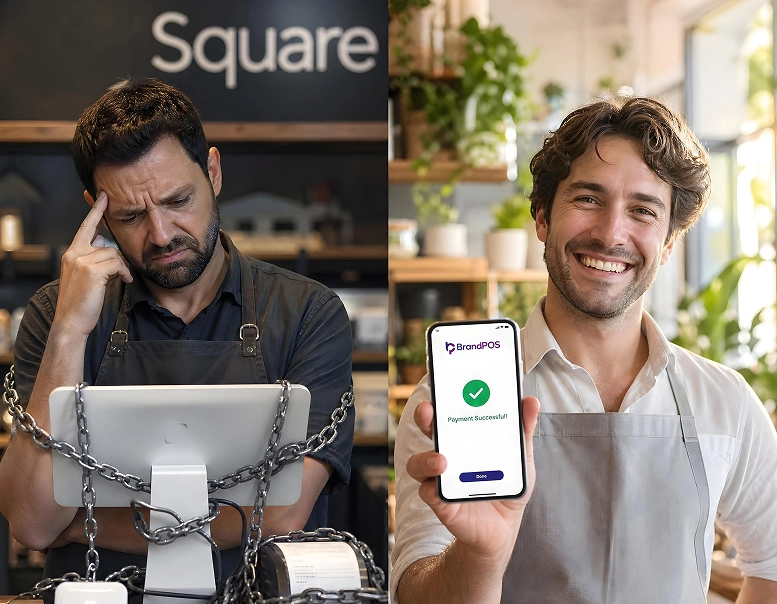
Square is known for clean interfaces and multi-device compatibility. It works well for cafés, bakeries, and small outlets that want a POS with good reporting tools. Many look to Square when they search for what is the most popular POS system for restaurants, especially in North America.
Toast POS
Toast builds restaurant-specific features for full-service dining. It suits larger dining rooms, bars, and mid-size chains. Table layouts, modifiers, server-level access, and kitchen routing are strong.
Lightspeed Restaurant
Lightspeed offers inventory-heavy features. It suits restaurants where menu costing, procurement, and stock turnover matter a lot. It also integrates multiple channels.
Revel Systems (Shift4)
Revel focuses on enterprise-level reliability. Multi-outlet chains use it because of its detailed reporting, workflows, and add-on modules.
The 'best' choice depends on size, price, comfort, style of service, and team behaviour.
Key Criteria to Evaluate a Restaurant POS System
Finding what is the best POS system for restaurants becomes easier once you know the criteria. Things to check include:
- Ease of onboarding. New staff will keep joining. Training should not take an entire afternoon.
- Speed. Billing should feel quick. Kitchen order routing should stay stable even during peak hours.
- Flexibility. Restaurants change menus often. A POS should allow this without complex steps.
- Hardware needs. Some POS setups require a heavy terminal. Others run entirely on a phone. A small restaurant often prefers lighter hardware to save cost.
- Integration options. Delivery partners, printers, QR menus, kitchen screens, and inventory. All of these come into play.
- Analytics. A restaurant survives on margins. A POS should show daily numbers in a simple format.
- Support. Restaurants work late. Support hours should match real working patterns.
- Cost. A POS should not drain monthly revenue.
What Are the Cost Considerations for a POS System?
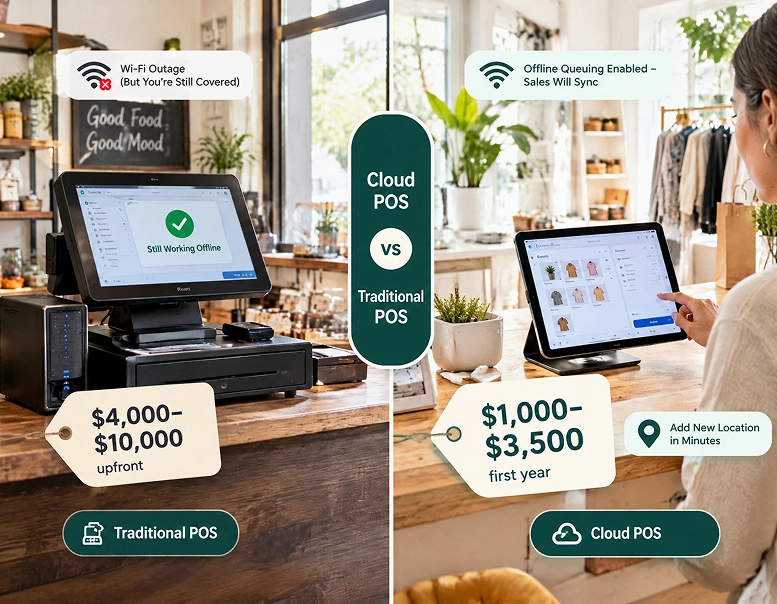
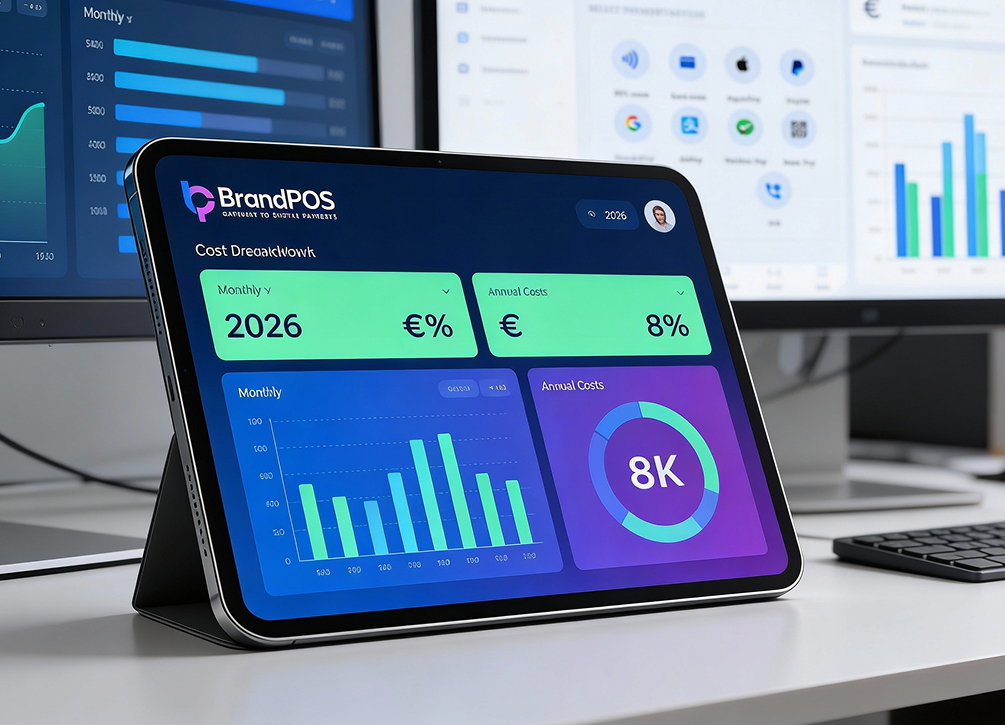
Prices vary. A cloud POS may charge for terminals, software subscriptions, add-ons, and staff accounts. A SoftPOS normally focuses on transaction fees and keeps the hardware expense nearly zero.
Typical costs include:
- Monthly subscription
- Hardware rentals
- Per-device pricing
- Transaction fees
- Setup fees
- Printer and accessory charges
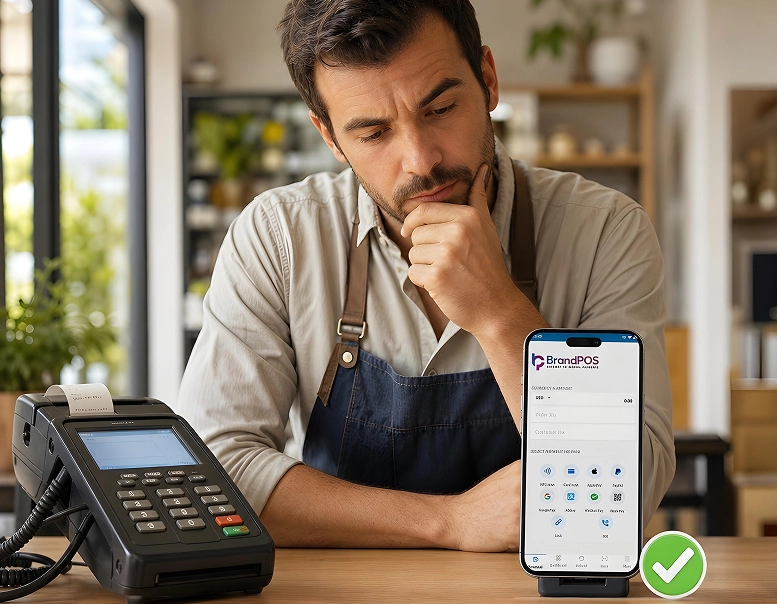
Small restaurants ask what is the best POS system for a small restaurant precisely because budget limits push them toward simpler systems. A SoftPOS solution like BrandPOS helps avoid the device cost layer entirely. For new restaurants with tight budgets, this difference can be the deciding factor.
Chains look at bigger costs like multi-terminal licensing, integration fees, and advanced analytics.
Your Phone Is Already a POS Terminal
Stop paying for hardware you don't need. Download BrandPOS and start accepting payments in minutes.
Download the App FreeWhy Is SoftPOS Best for Restaurants?
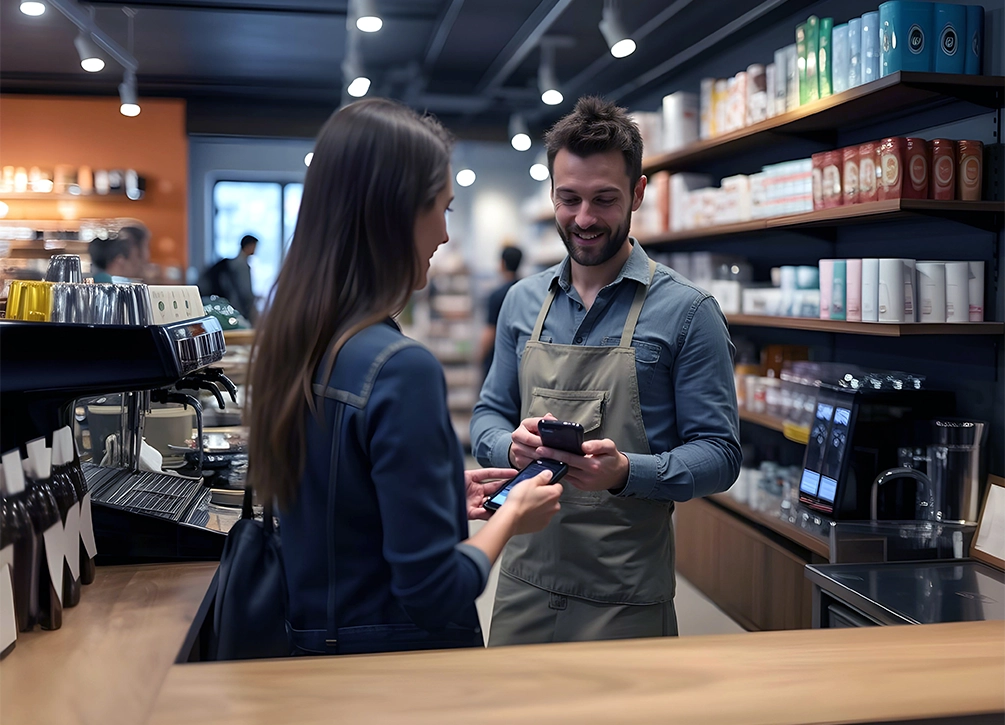
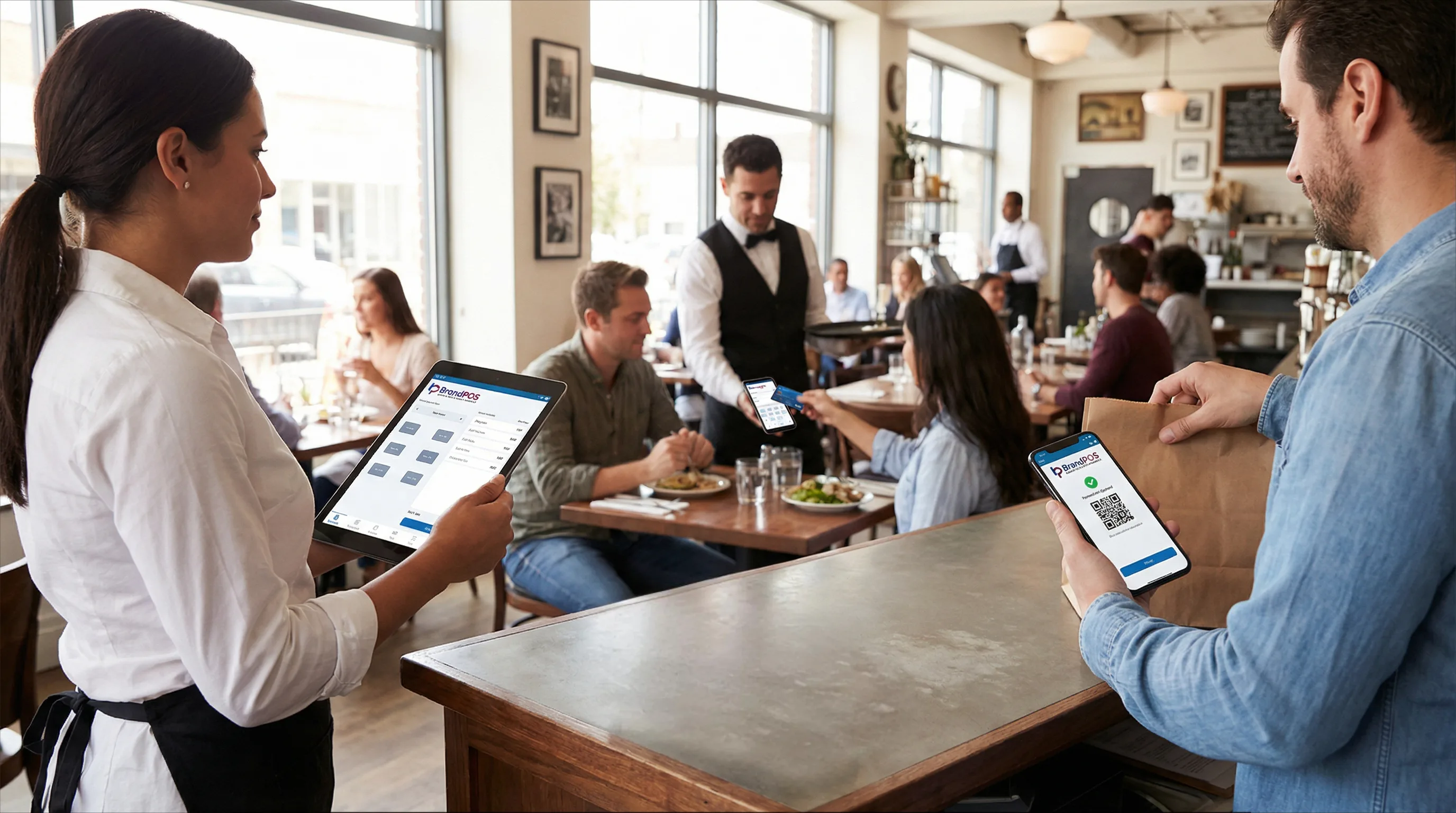
SoftPOS has grown quickly because it removes friction. A phone can accept payments. A waiter can close the bill right at the table. A manager can handle multiple counters without sitting at a fixed billing desk.
Restaurants often run in high-pressure environments. Quick service matters. A SoftPOS is an app placed directly in the staff's pocket. They take orders, split bills, close transactions, share receipts, and keep lines moving.
SoftPOS also works well for restaurants that handle a mix of dine-in, takeaway, and delivery riders. When the rush hits, a phone POS covers multiple tasks without the space requirements of a full terminal.
Many small outlets now believe the practical answer to what is the best POS system for restaurants is a SoftPOS-first workflow because it is cheaper, faster, portable, and easier to scale.
BrandPOS: Best SoftPOS App for Your Restaurant
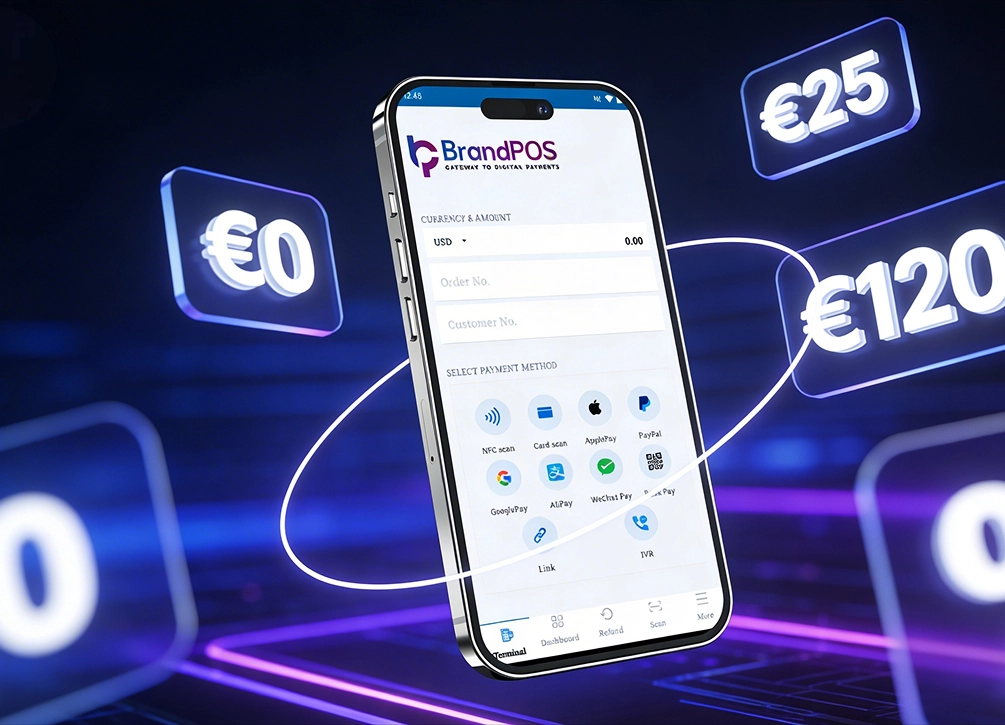
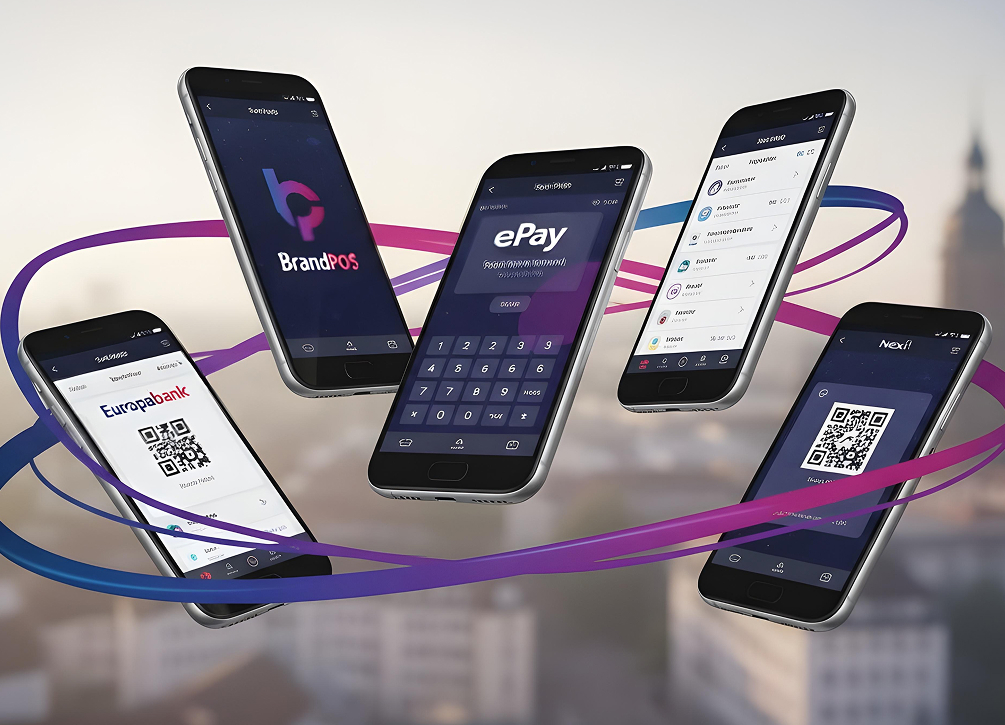
BrandPOS keeps things simple. Restaurants that want to avoid long installations tend to choose it because the setup fits inside a phone. Once the app is installed, staff run bills, accept tap payments, handle QR flows, and track payouts. GST-friendly records stay available.
Multi-staff access allows separate logins. Managers see daily summaries. Waiters settle bills instantly at the table.
For merchants browsing online and asking what is the most popular POS system for restaurants, many notice that popularity shifts by region. But when they ask a more practical question, like what is the best POS system for a small restaurant, the SoftPOS model often wins because of its minimal overhead.
BrandPOS positions itself as a tool built for the everyday restaurant rhythm. Not too complex. Not too bare. Just enough features to run the outlet smoothly without unnecessary layers that slow the line.