What Is SoftPOS? Meaning, How It Works & Benefits
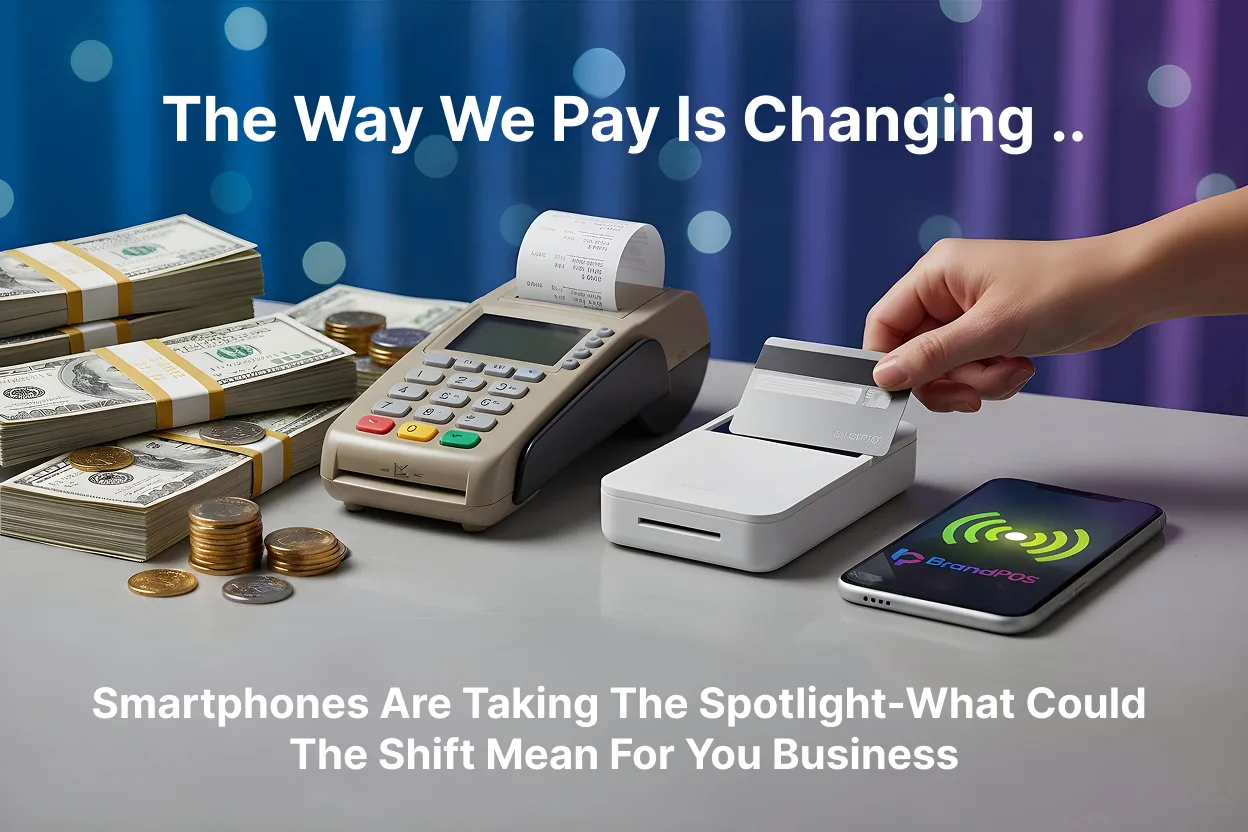
SoftPOS is one of the fastest-growing ways for businesses to accept payments from their customers.
In 2025 the global SoftPOS transaction volume was $23.9B.
Juniper Research’s whitepaper projects that SoftPOS transactions globally will reach $540B by 2030 - which is a 2,150% increase! According to the same report, the number of merchants using SoftPOS on their phones is also projected to hit 61 million units.
This shift is not only because SoftPOS is the next shiny tech.
It has genuinely removed the traditional payment system barriers for small businesses and freelance operators. For larger businesses, SoftPOS has added more flexibility that complements their complex hardware POS setups.
What is SoftPOS?
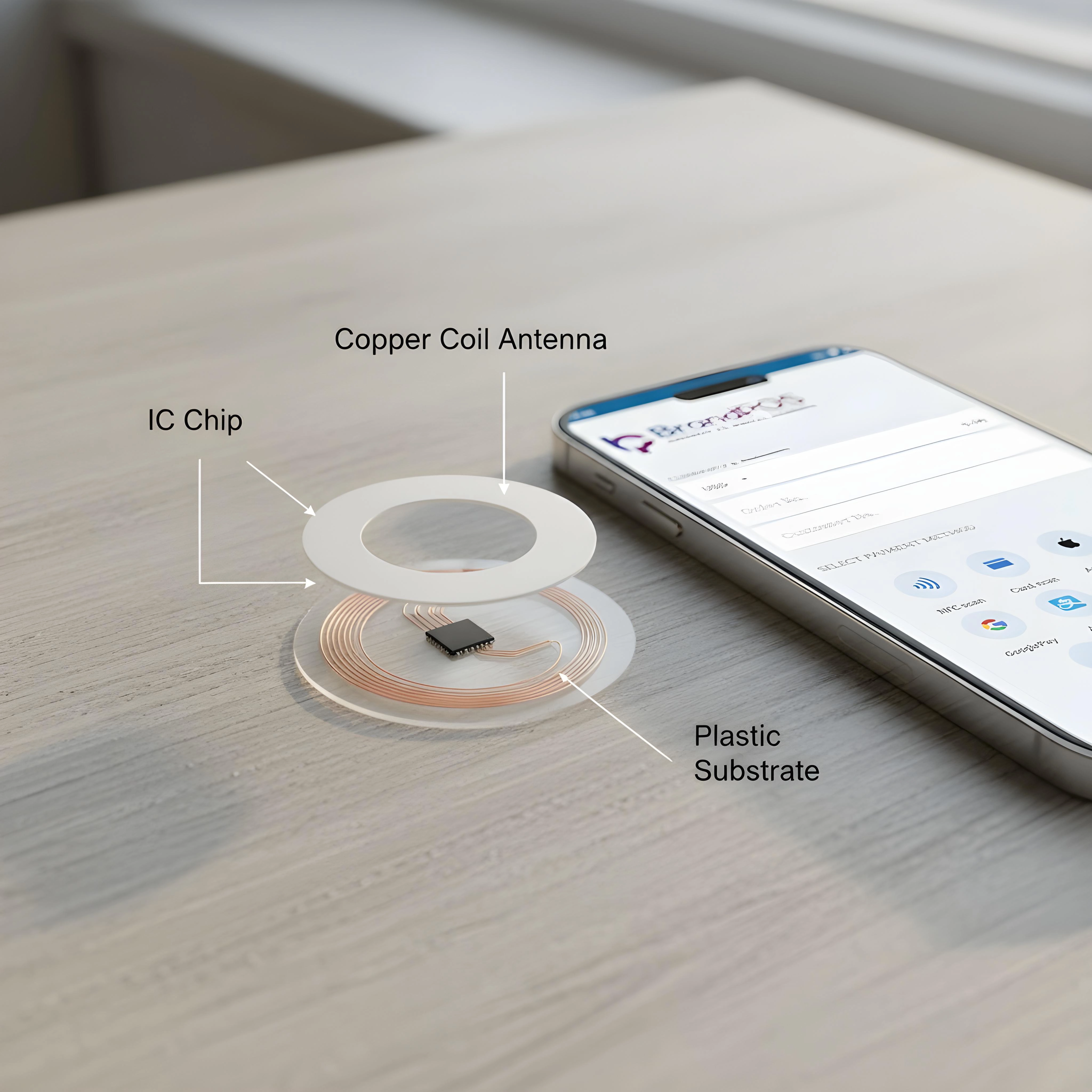
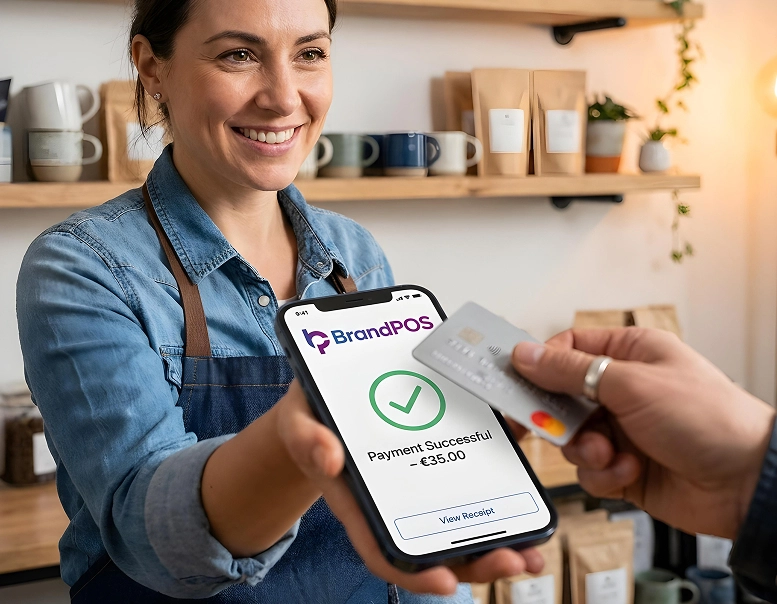
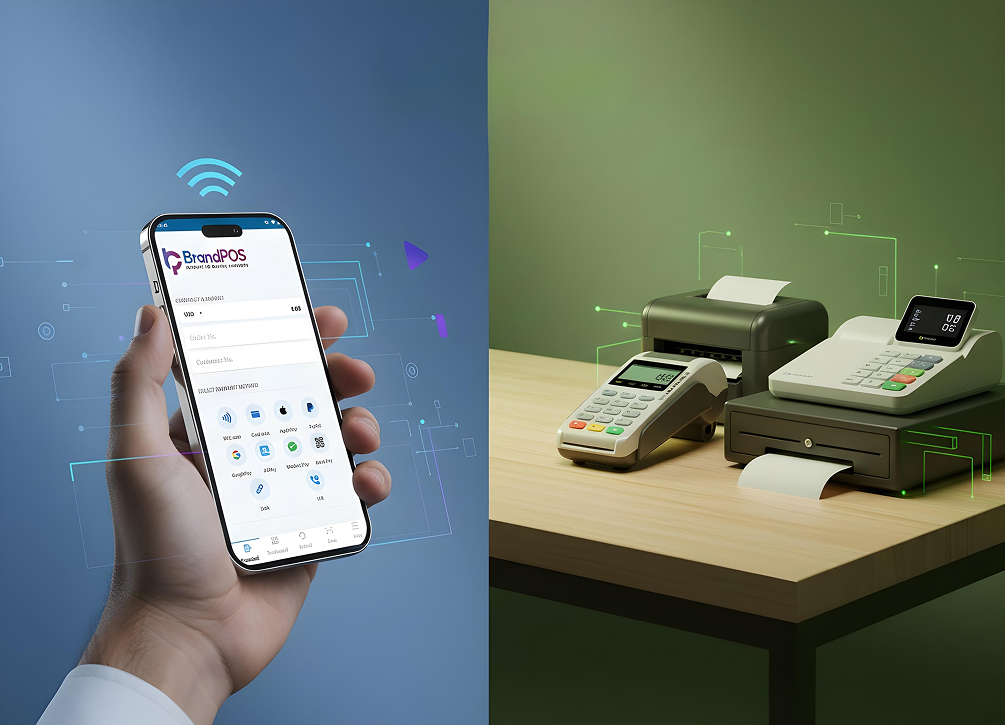
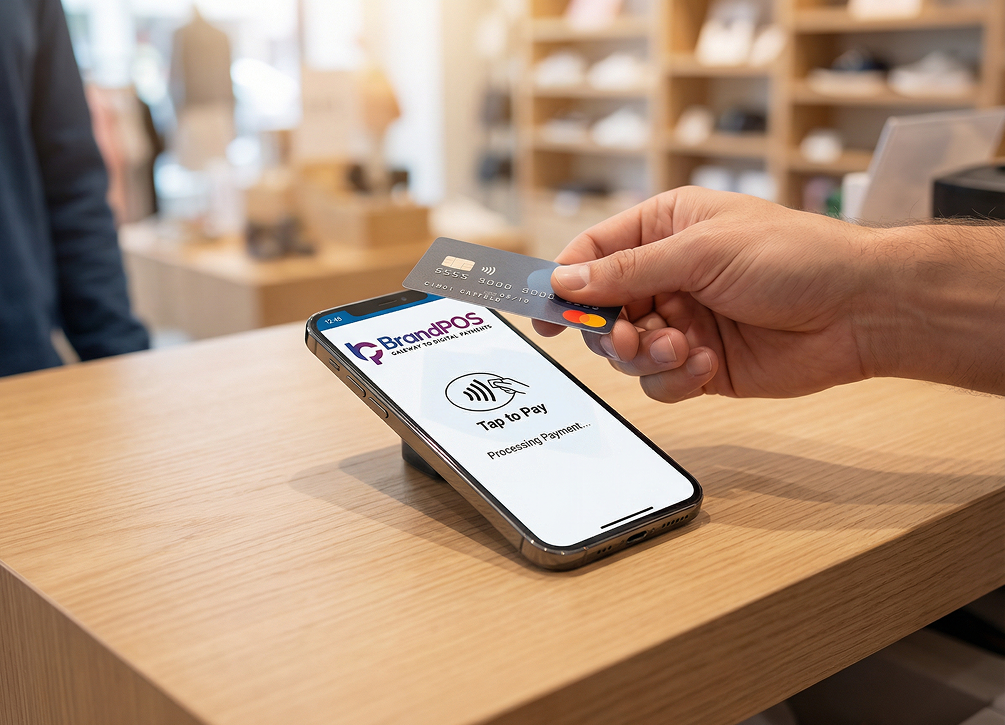
SoftPOS (software point of sale) is software or an app that uses the NFC chip on a smartphone to turn it into a fully functional payment terminal.
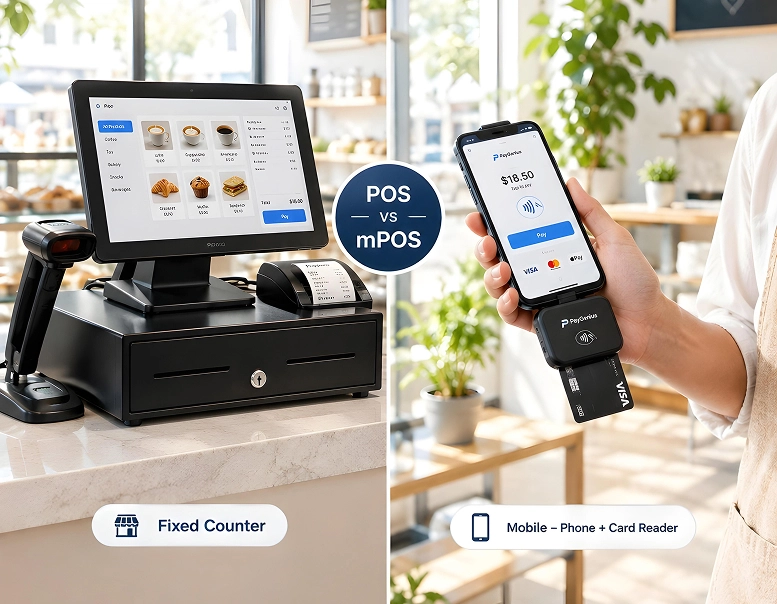
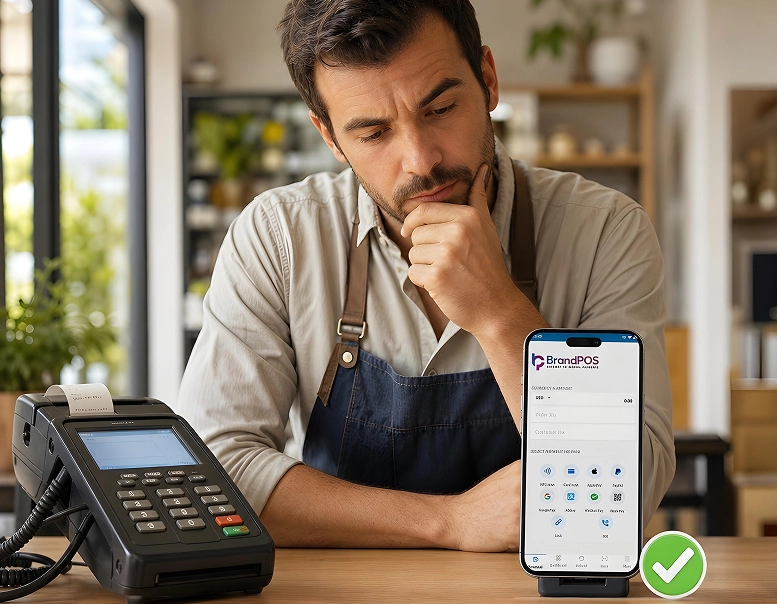
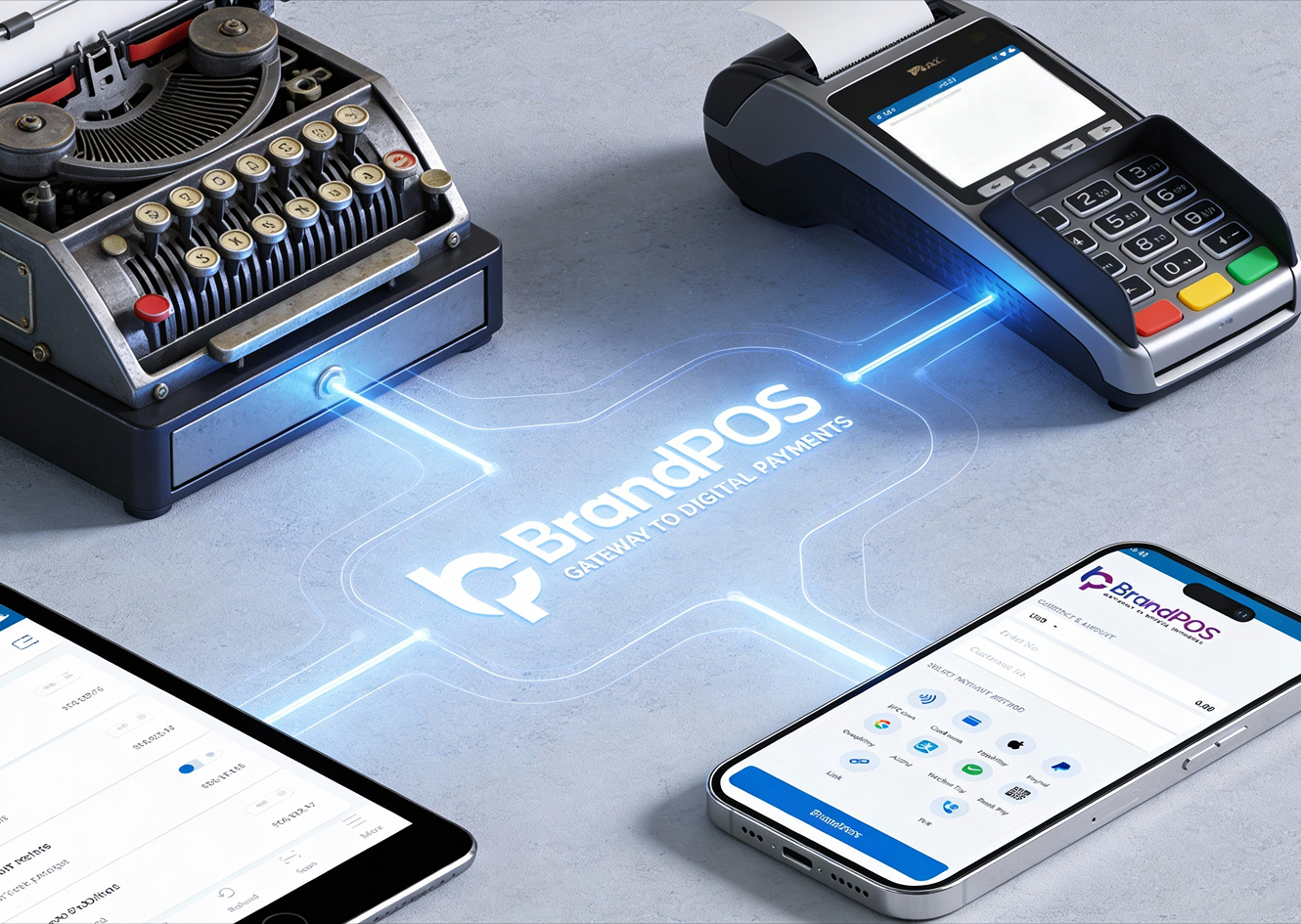
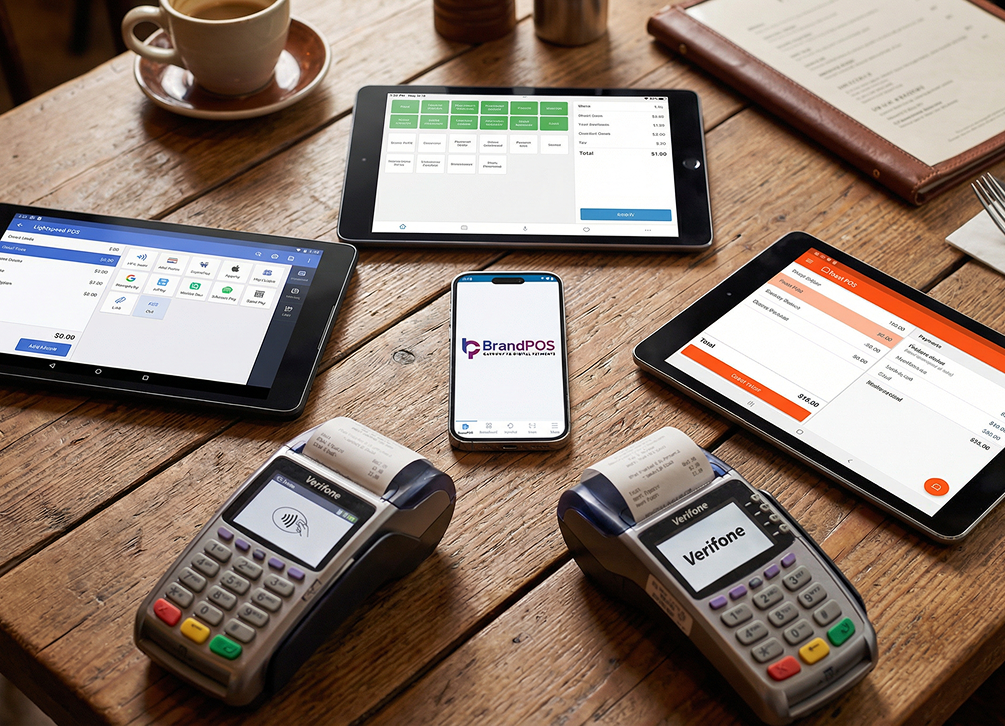
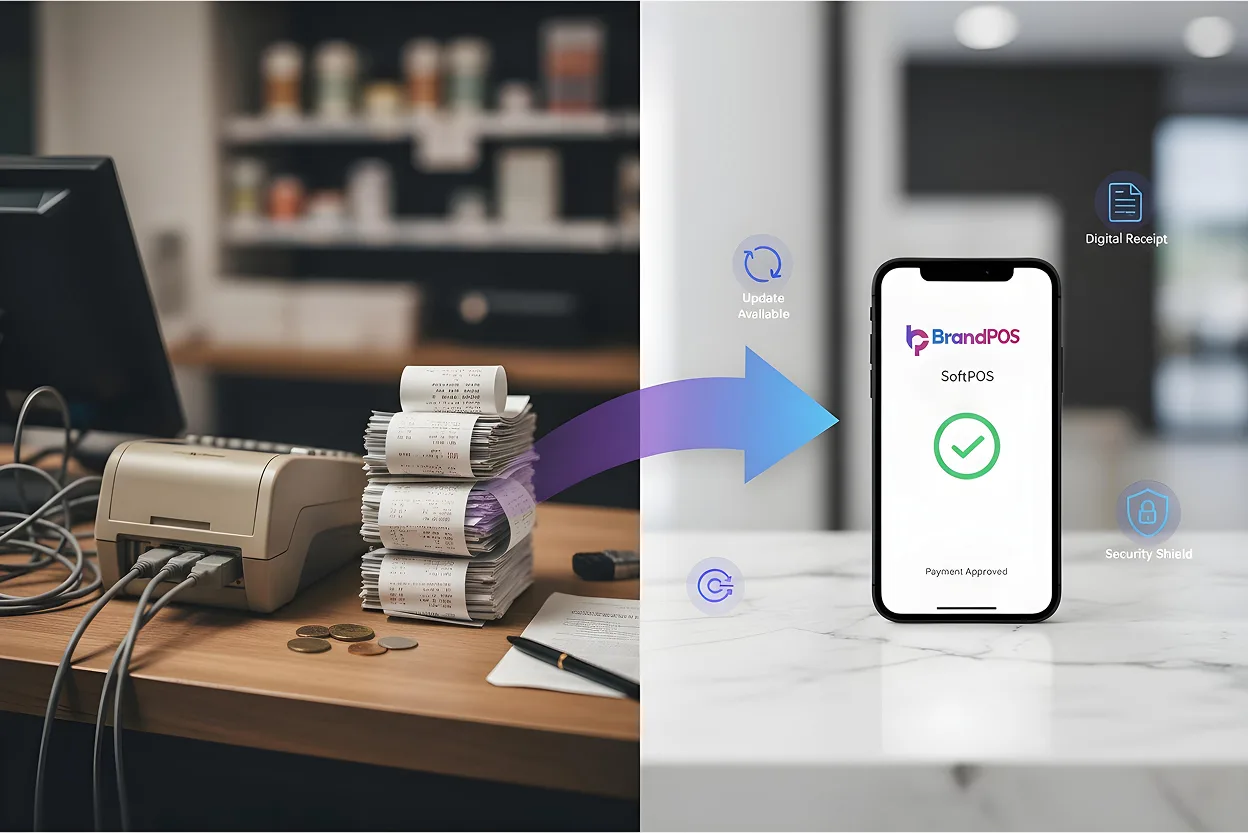
For using the traditional POS systems, the businesses had to either rent or buy proprietary hardware and software. Alternatives like mobile-based POS systems (mPOS) still needed card readers and dongles to operate.
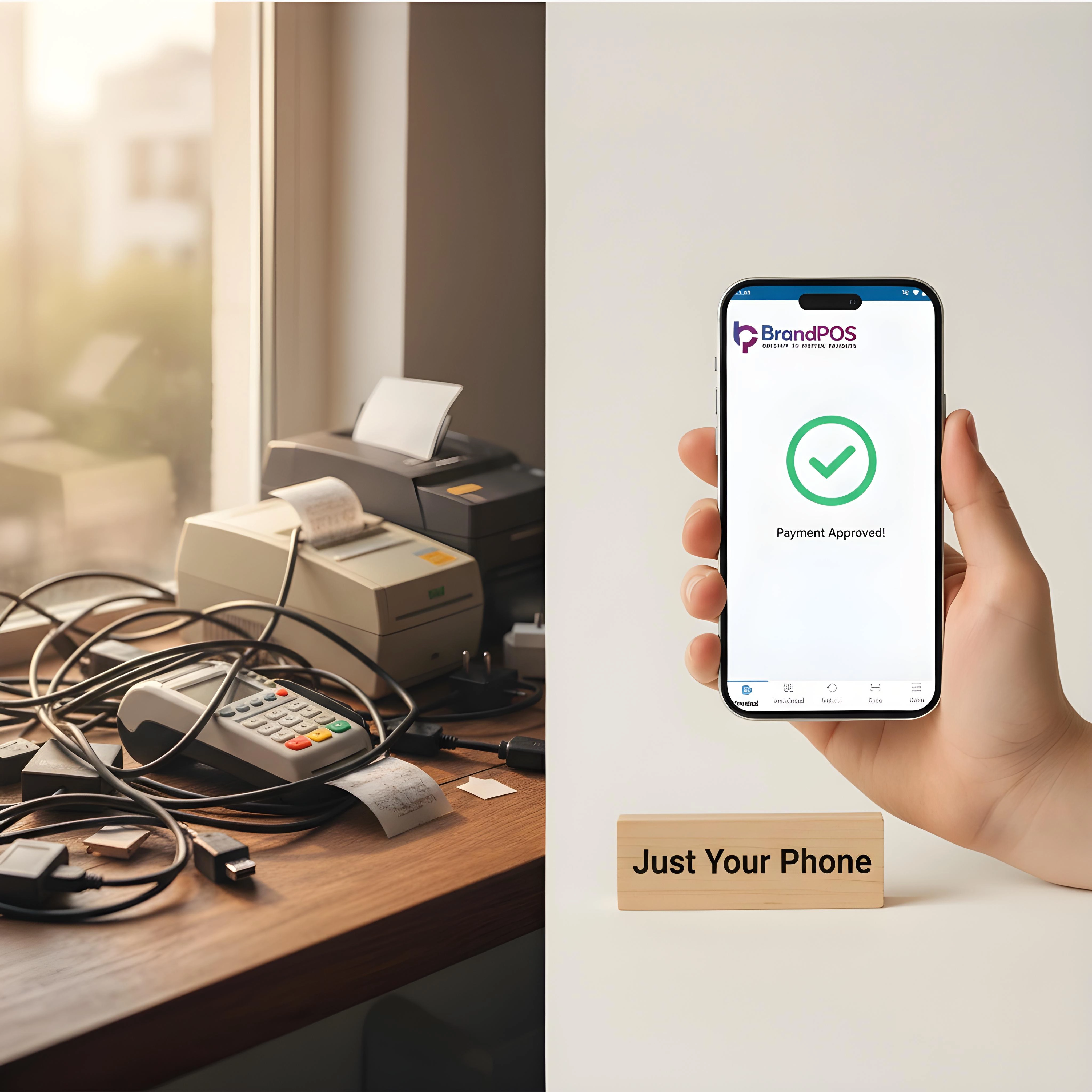
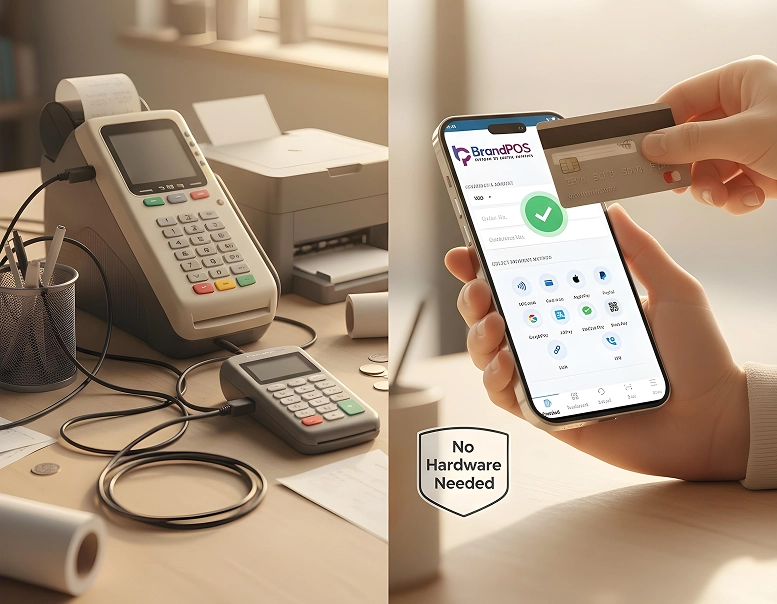
SoftPOS eliminates all the additional hardware components of a POS setup, like servers, card readers, countertop machines, etc.
Instead, the merchant installs a SoftPOS app on their compatible smartphone, registers their business, and when the verification is completed (usually online), they can immediately begin accepting payments.
When we look at how businesses operate, we find that historically the payment hardware has been one of the major entry barriers for small and micro businesses. SoftPOS is a cloud-based POS system that removes this entry barrier by giving enterprise-grade payment systems and security without the same investment.
Ready to ditch the card machine?
BrandPOS turns any Mobile phone into a certified POS terminal - no cables, no setup headaches.
Get Started for FreeHow Does SoftPOS Work?
The SoftPOS terminal follows a pretty straightforward process flow.
Step 1: Download & Register
The merchant downloads the SoftPOS app and registers their business. Once the SoftPOS app is installed on an NFC-capable smartphone, the app setup and merchant verification, etc., can be completed online.
Step 2: Customer Taps to Pay
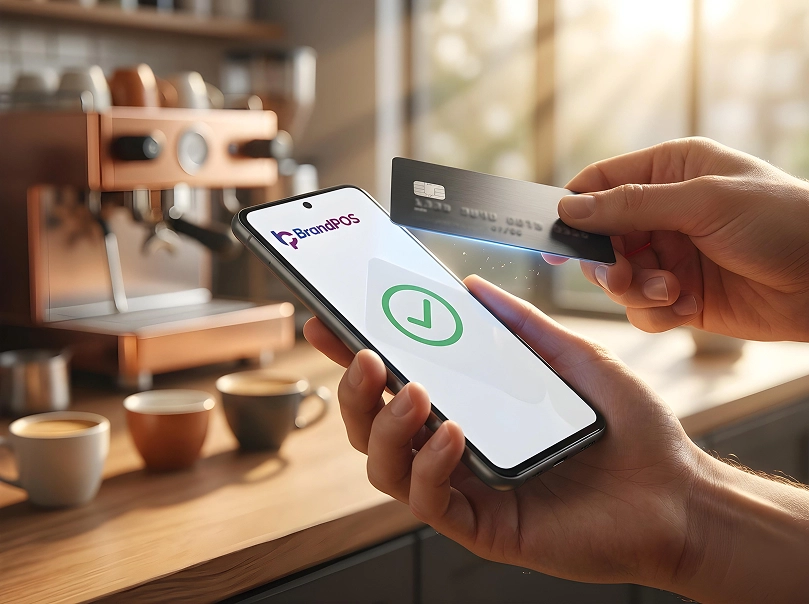
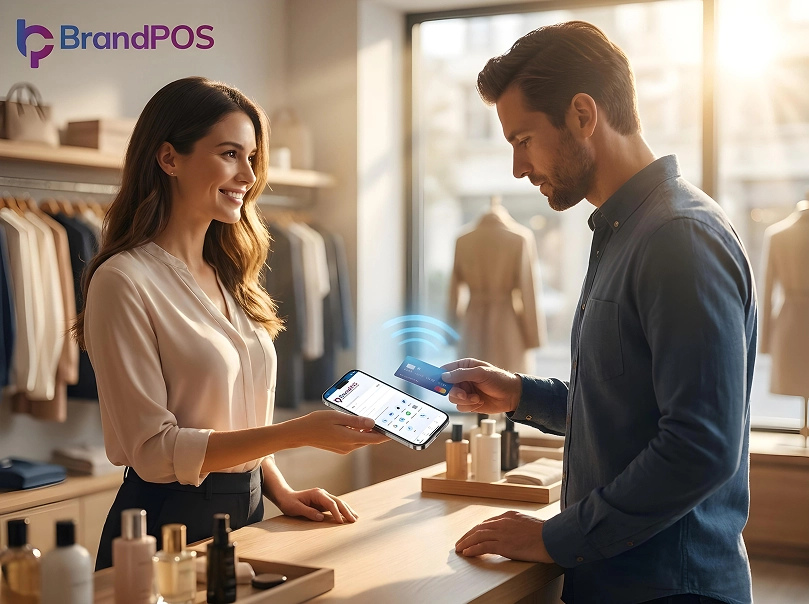
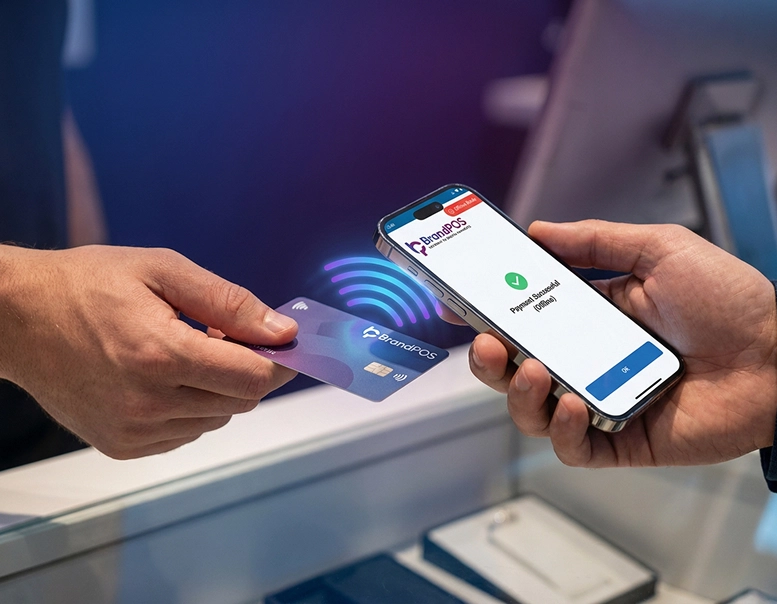
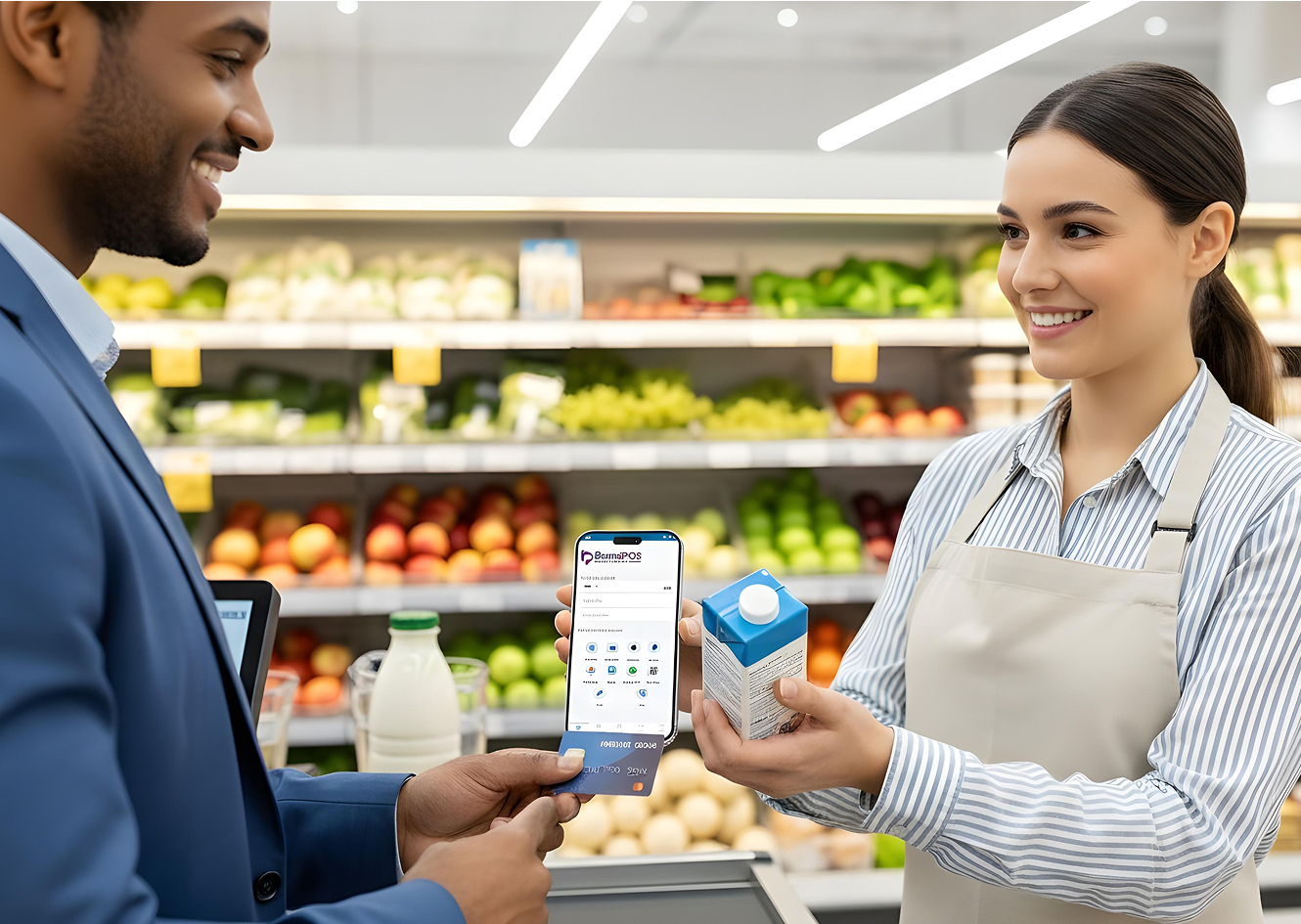
When the customer wants to pay, they will hold their phone, contactless card, or smartwatch near the back of the merchant’s phone. Here the SoftPOS terminal acts just like a traditional POS to capture data.
Step 3: NFC Reads the Payment Data
The NFC, or the Near Field Communication chip, in the merchant’s phone reads the encrypted payment credentials of the customer.
Step 4: Encryption and Tokenization
This is the robust security layer of the SoftPOS solution.
Instead of transmitting the raw payment data, the SoftPOS app creates a unique code (a ‘token’) that can be used only for that specific transaction. Again, this is the same EMV-level encryption used by the traditional POS terminals.
Step 5: Cloud-Based Authorization
The SoftPOS app sends the encrypted payment data for authorization through the payment processor systems. The confirmation comes back within seconds.
Step 6: Receipt & Settlement
The SoftPOS app instantly generates a digital receipt and delivers it to the customer on their email or messages.
The payment received by the merchant is settled into their business account according to the payment schedule of the payment processor.
Key Features of a SoftPOS
The best SoftPOS software point-of-sale apps should have the following key features.
- It should not require any extra hardware like a card reader or a proprietary device. You should be able to use the SoftPOS solution on a compatible smartphone or tablet.
- The soft POS terminal on your phone should support NFC-enabled tap payments from mobile wallets, contactless cards, and wearables like smartwatches of the customers.
- Instant digital receipt to the customer via email or message is to be expected in a good soft point of sale system.
- The onboarding on the SoftPOS solution should be faster (days rather than weeks), and the business should be able to scale easily by adding the SoftPOS app on another phone.
- The soft point of sale should meet the industry security standard, i.e., PCI MPoC (Mobile Payments on COTS).
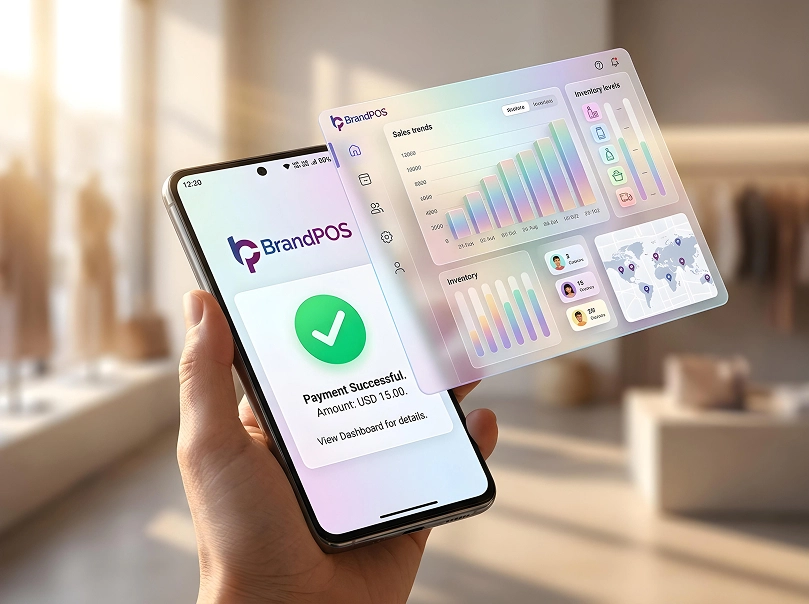
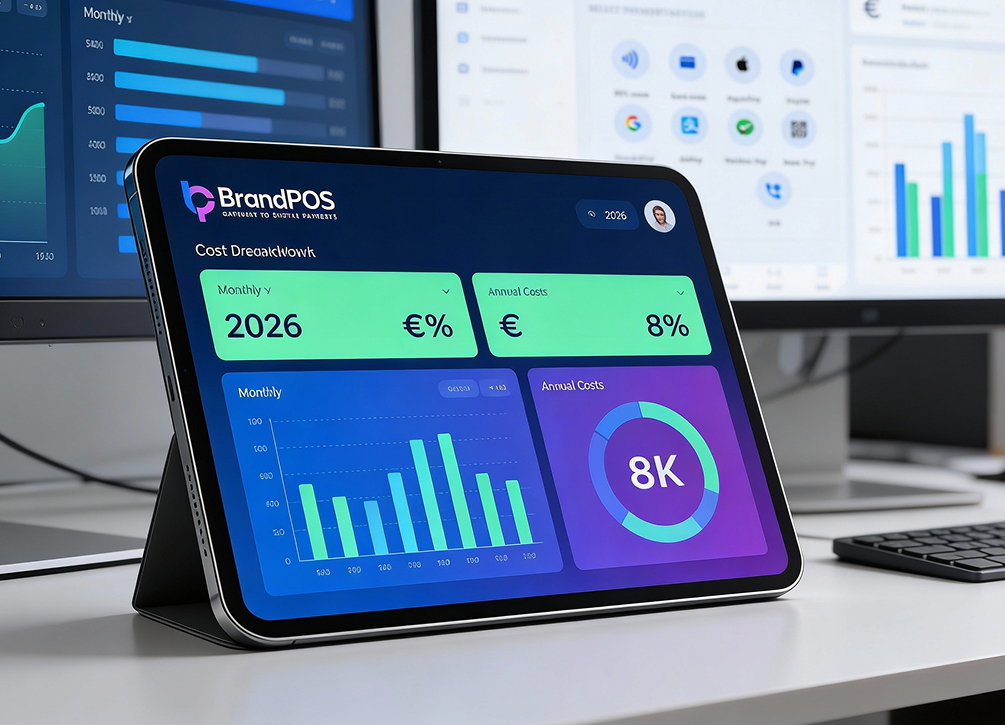
- You should be able to view the basic sales analytics, inventory, and staff performance details in the live transaction dashboard of the SoftPOS app.
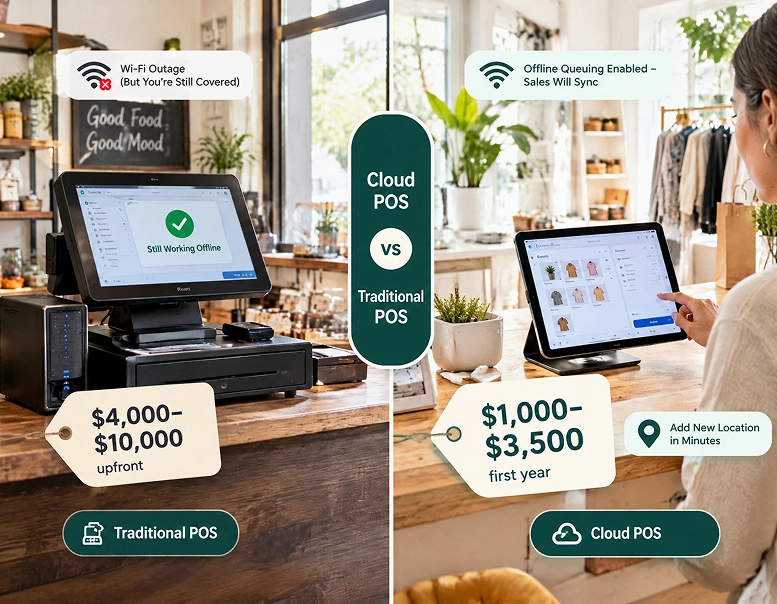
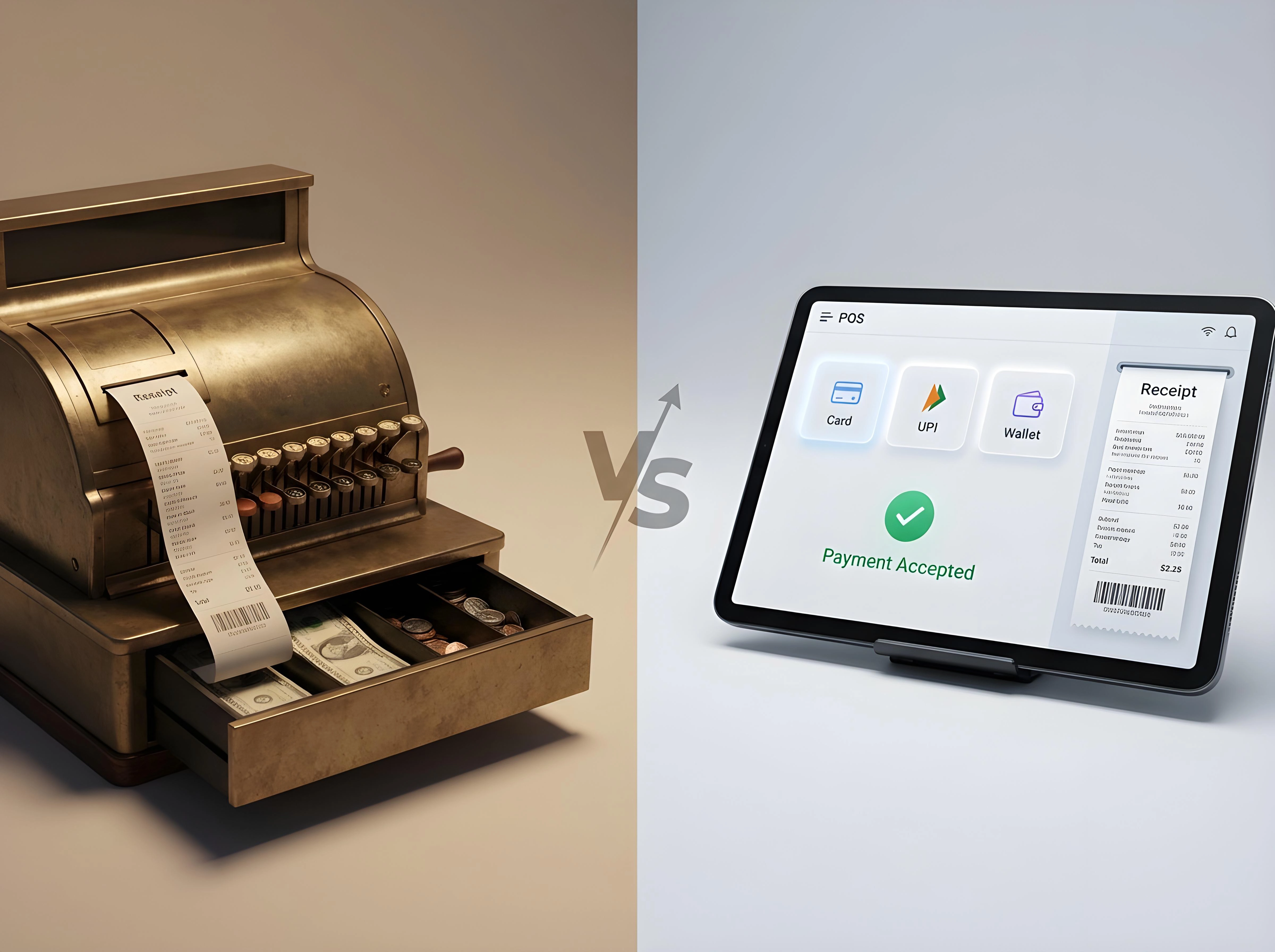
SoftPOS vs. Traditional POS: What's the Difference?
In order to truly understand what is SoftPOS and how it is revolutionizing the POS ecosystem, we must know how it differs from the traditional POS terminals.
| Factor | SoftPOS | Traditional POS Terminal |
|---|---|---|
| Hardware needed | None - uses an existing NFC compatible smartphone/tablet | Dedicated card reader/terminal required |
| Setup time | Minutes (download app, register, go) | Days to weeks (order, ship, configure) |
| Upfront cost | Little to none | Terminal purchase or lease cost |
| Ongoing cost | App fee (often free/low) + processing rate | Terminal rental/lease + processing rate |
| Mobility | Fully mobile - accept payment anywhere with WiFi/mobile network connectivity | Limited to wherever the terminal is (some mobile options exist but need extra hardware) |
| Maintenance | Software updates, handled remotely | Physical device servicing, battery, connectivity issues |
| Best suited for | Small businesses, mobile/on-the-go sellers, pop-ups, service providers | Fixed retail counters, high-volume stores |
| Security standard | EMV-level encryption via PCI MPoC certification | EMV chip + PIN, PCI-DSS certified hardware |
| Scalability | Add a new "terminal" by installing an app on another phone | Add a new terminal by purchasing/renting more hardware |
Your Phone Is Already a POS Terminal
Stop paying for hardware you don't need. Download BrandPOS and start accepting payments in minutes.
Download the App FreeSoftPOS vs. mPOS vs. Traditional POS
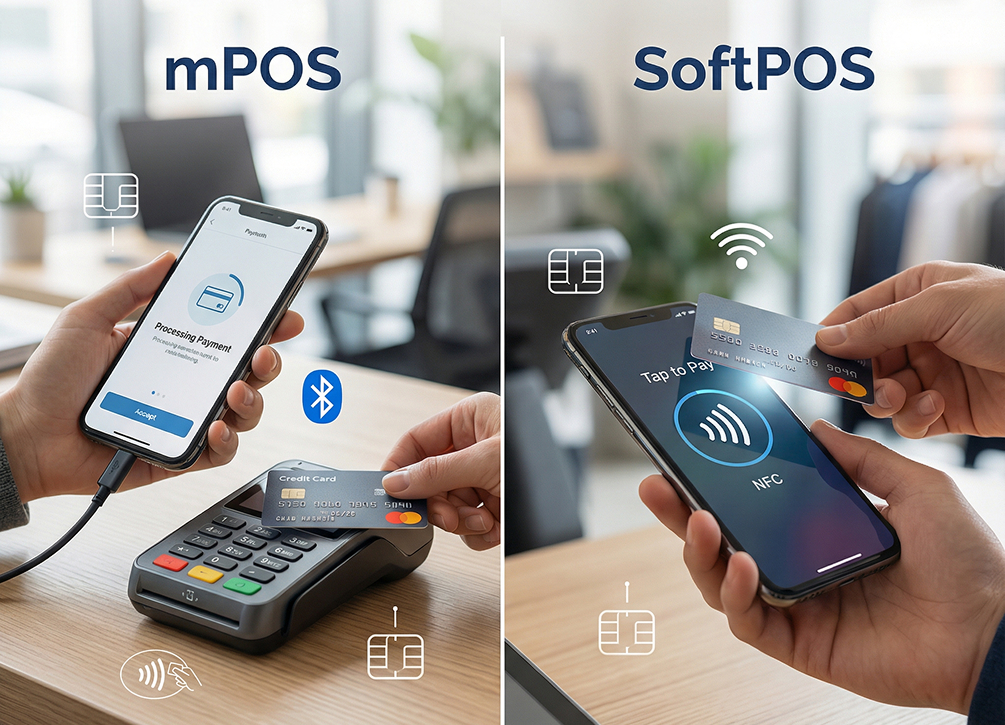
Many people often (mistakenly) speak of SoftPOS and mPOS as similar POS systems. While both these systems are used through smartphones and associated with high mobility, when we look at a comparison of SoftPOS v. mPOS, we realize that they are not the same thing.
| Aspect | SoftPOS | mPOS (Mobile POS) | Traditional POS |
|---|---|---|---|
| Extra hardware | None | Card reader/dongle required | Full terminal required |
| Device used | NFC smartphone/tablet | Smartphone/tablet + attached reader | Dedicated terminal |
| Setup | App download only | App download + pair reader | Terminal shipping + configuration |
| Cost structure | App + processing fees | App + reader cost + processing fees | Terminal lease/purchase + processing fees |
| Portability | Fully portable | Portable, but reader can be lost/damaged | Mostly fixed, bulky to move |
| Ideal for | Micro-merchants, on-the-go sellers, pop-ups | Small-to-medium retailers wanting a hybrid setup | Established stores with fixed checkout points |
| Failure points | Software/connectivity only | Software + physical reader connectivity (Bluetooth/audio jack) | Hardware wear, cabling, power |
Common SoftPOS Use Cases
A soft POS terminal shines whenever businesses need high mobility and flexibility in accepting payments through different modes.
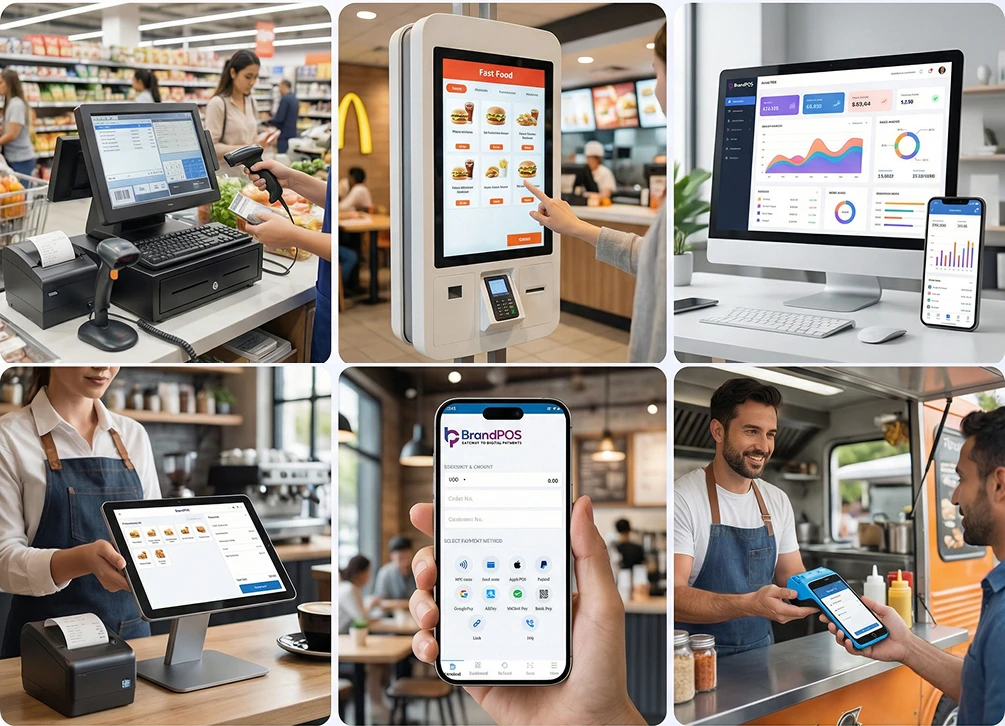
- For food trucks and mobile catering businesses, SoftPOS supports quick payments wherever they go without a fixed setup.
- Professionals like electricians, plumbers, cleaners, and mobile groomers who provide at-home services for clients can use SoftPOS to receive payments at the customer’s homes.
- People who provide delivery and pay-on-delivery services can also benefit from SoftPOS flexibility.
- Pop-up stalls at events or farmers markets are often seasonal setups or operate only a few days in a week. So, in their case, a hardware setup would be an overkill. Instead, a SoftPOS would give them more logistical freedom.
- Even for the retail and hospitality establishments that have a traditional countertop POS, SoftPOS is great for queue bursting when the customer traffic is heavy.
- For businesses that operate events, festivals, and temporary venues, SoftPOS supports quick deployment at short notice.
- Freelancers like hairdressers, tutors, and personal trainers can use SoftPOS to come across as a professional setup and accept instant payments.
Who Can Benefit from SoftPOS?
The key benefits of SoftPOS that often come up in conversations are about the convenience of rapid deployment, lower upfront investment, and high mobility.
So, a natural assumption made by many businesses is that a SoftPOS software point-of-sale system is the best match for a small and micro business. It's true also. A SoftPOS for small businesses gives them the enterprise-grade payment management system without the financial and logistical burden.
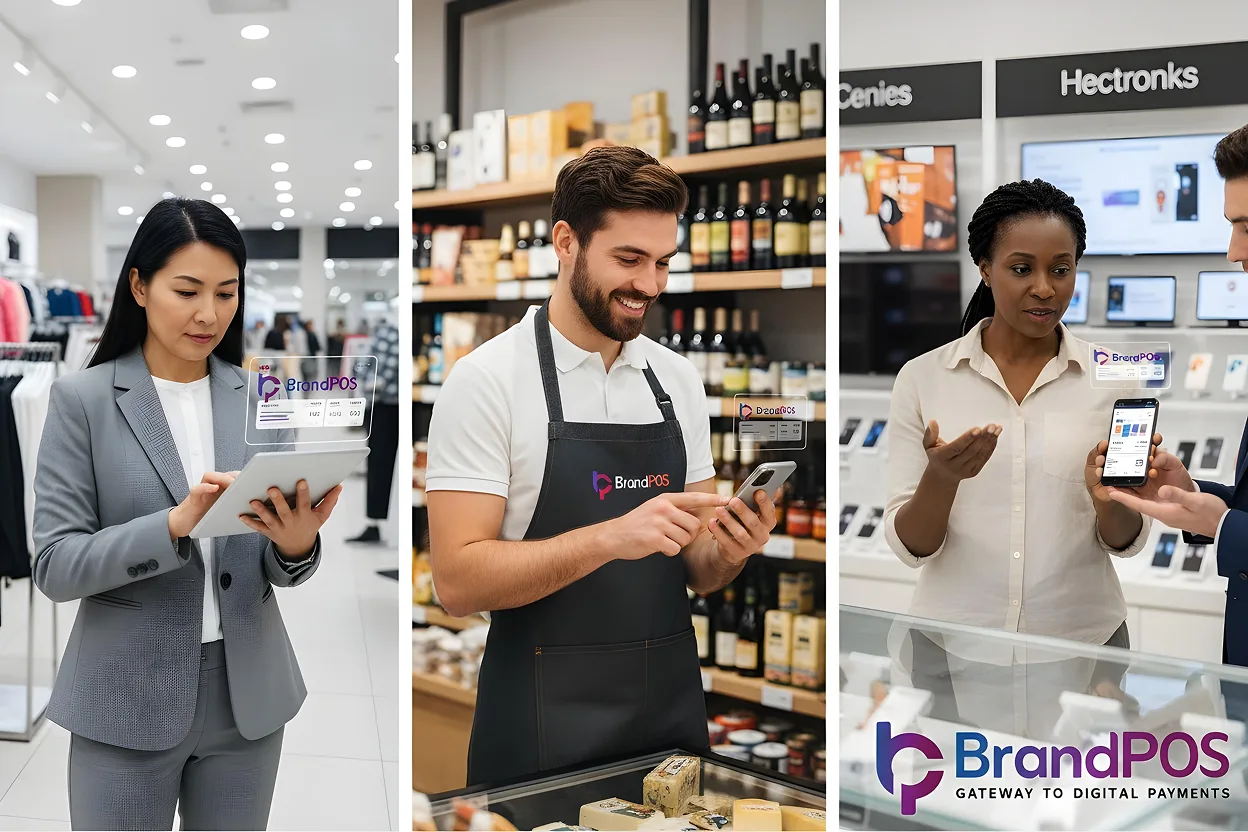
But even larger businesses (for example, retailers, restaurants, etc.) can benefit by adding a SoftPOS checkout on their shop floor or at the customer table. It helps to process payments quickly and more conveniently for the customers.
Another obvious class of business that benefits heavily from SoftPOS is the mobile or on-location businesses, freelancers, pop-up sellers, and professionals who need to bill at customer locations.
For businesses that are operating with cash-heavy or cash-only transactions, SoftPOS is the ideal gateway to move into digital payments, as it is simpler and less expensive than a hardware setup.
How BrandPOS SoftPOS Helps Businesses Accept Payments
BrandPOS is a true SoftPOS app that can work as a POS terminal without needing any extra hardware like physical servers or card readers.
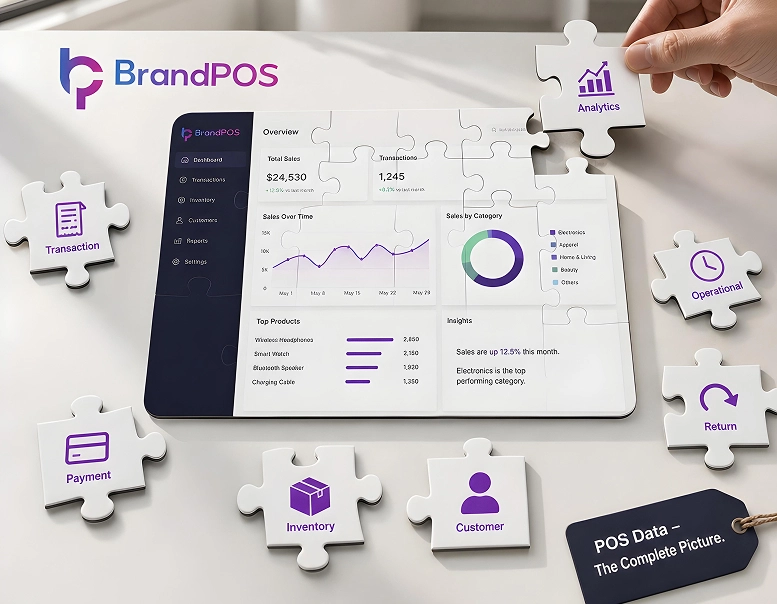
It is a cloud-based POS system that you can operate from your smartphone to not only accept payments but also perform other sales functions like staff performance tracking and sales analytics. It secures the transaction data with industry-standard compliances to make your payments not only immediate but also safe.
Faster Onboarding
For using BrandPOS, the merchants have to install the BrandPOS app on their NFC-compatible smartphone, register their business, and complete the verification process. As all these steps happen online, setting up the POS is faster and more convenient.
Supports Multiple Payment Methods
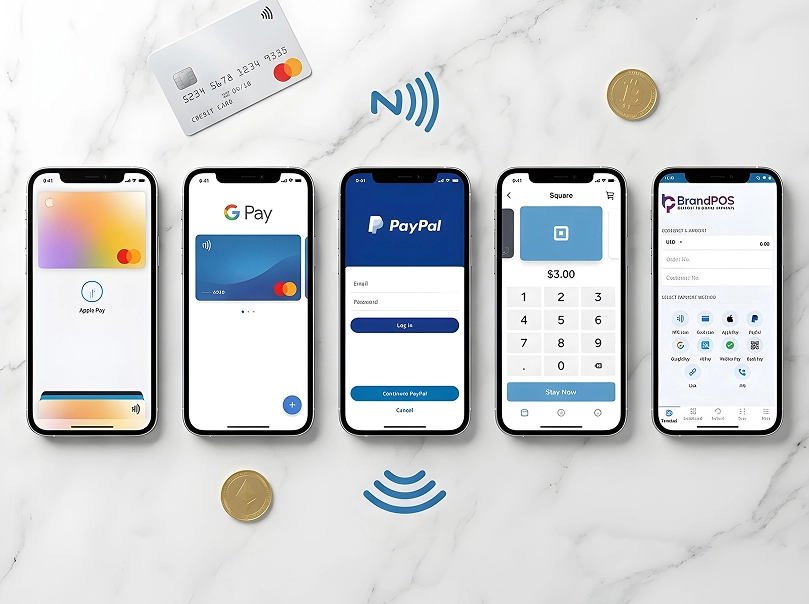
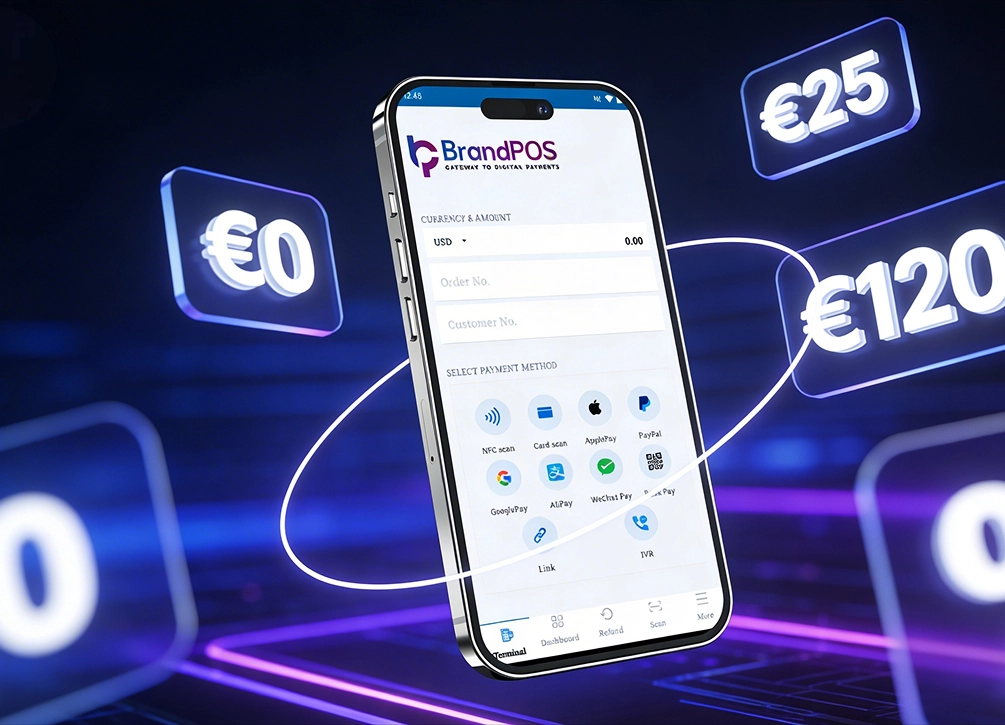
As the SoftPOS app, BrandPOS lets you accept payments via mobile wallets and contactless cards.
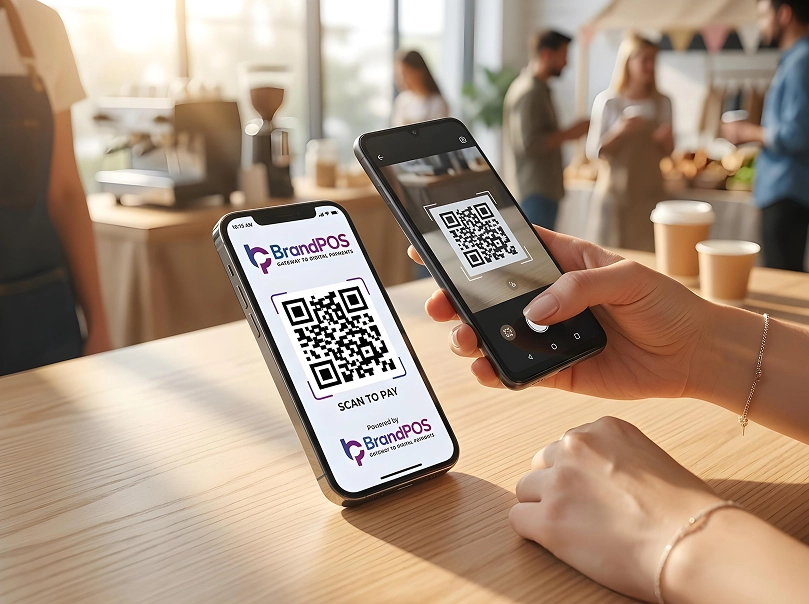
Customers can also make payments by QR code scanning, online link, or account-to-account transfer. BrandPOS also supports PIN on glass so that customers can pay by entering their PIN securely on the smartphone itself.
Built-in Real-time Reporting
BrandPOS has a centralized dashboard for tracking sales metrics and staff performance.
Affordable & Scaling Friendly
As there is no extra investment to be made on the hardware, getting a new POS system for your business or adding a sales counter at a new location becomes easy and affordable.
BrandPOS also provides one of the lowest per-transaction rates at 0.19%.
Conclusion
SoftPOS can feel like just another tech upgrade, but once they start using it, businesses quickly realize that it is not just a small convenience. SoftPOS is a total shift in how sales processes work - both for the customer and for the backend operations.
Especially for small and mobile businesses, shifting to a SoftPOS system is not a question of if but of when. And SoftPOS options like BrandPOS are realistically removing any lingering doubts or excuses that the merchants may still have about making the change.